
This is an English summary of a trip report by nature photographer Ilkka Iivonen, who joined Skaftung Naturen’s first Azerbaijan tour (20 May – 3 June 2026). Read the full original, with many more photos, in Finnish: https://ilkkaiivonen.kuvat.fi/blog/31/azerbaidan-205-362026/
Twelve nature enthusiasts signed up for Skaftung Naturen’s first trip to Azerbaijan. We boarded a Lufthansa flight in Helsinki on Wednesday 20 May at 13:30, changed planes in Frankfurt, and after a little over five hours landed in Baku around midnight. Two local bird guides, Zulfu and Leyla, were waiting after customs. Traffic jams slowed our minibus, and we reached the Grand Hotel in the city centre only at 01:30.
Thursday 21 May: Shirvan
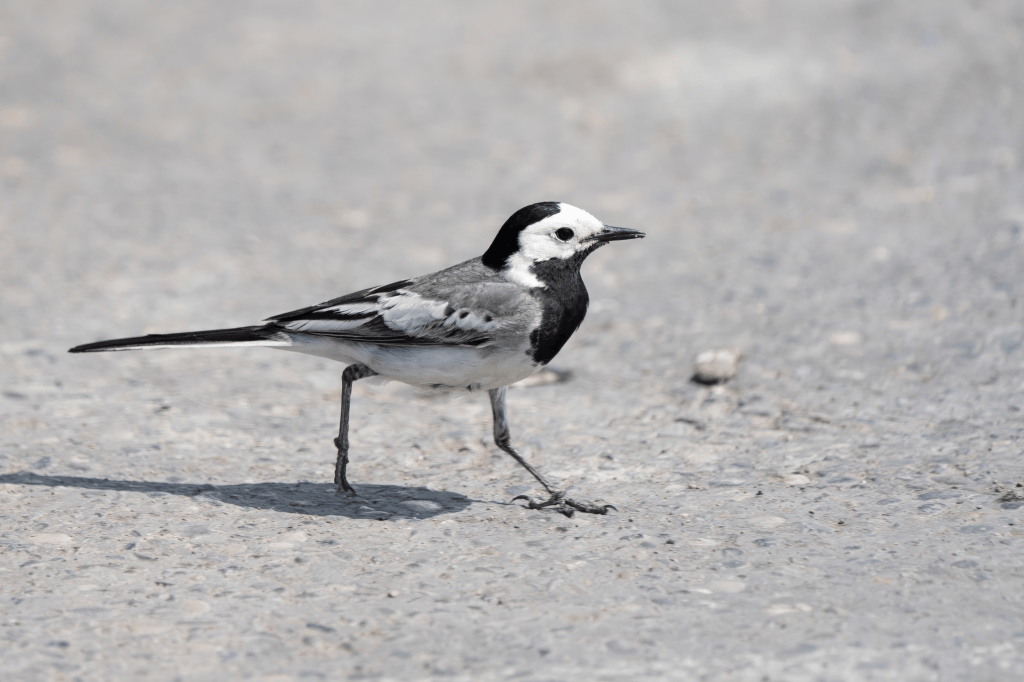
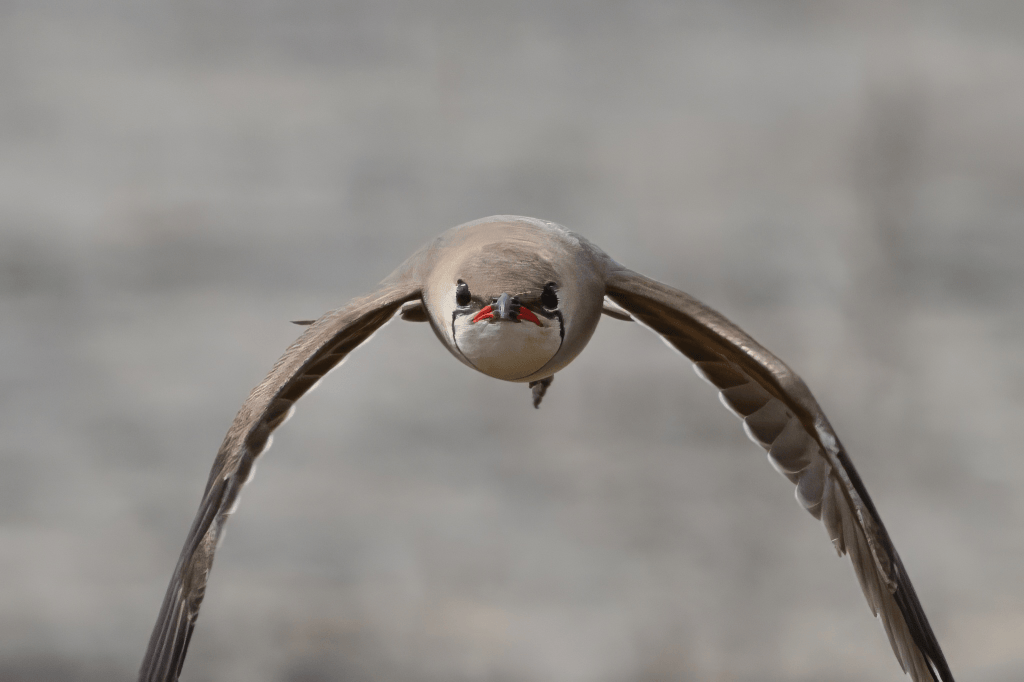
After breakfast we headed south-west. At a shop where we stopped for supplies, a dukhunensis White Wagtail ran about the car park, showing more white on the head than our Finnish wagtails, while a Cuckoo sat on a wire. Then came the first real birding stop, a scrubby, aromatic steppe with larks, wheatears and Black-winged Pratincoles. Two pratincoles flew onto my Western Palearctic life list.
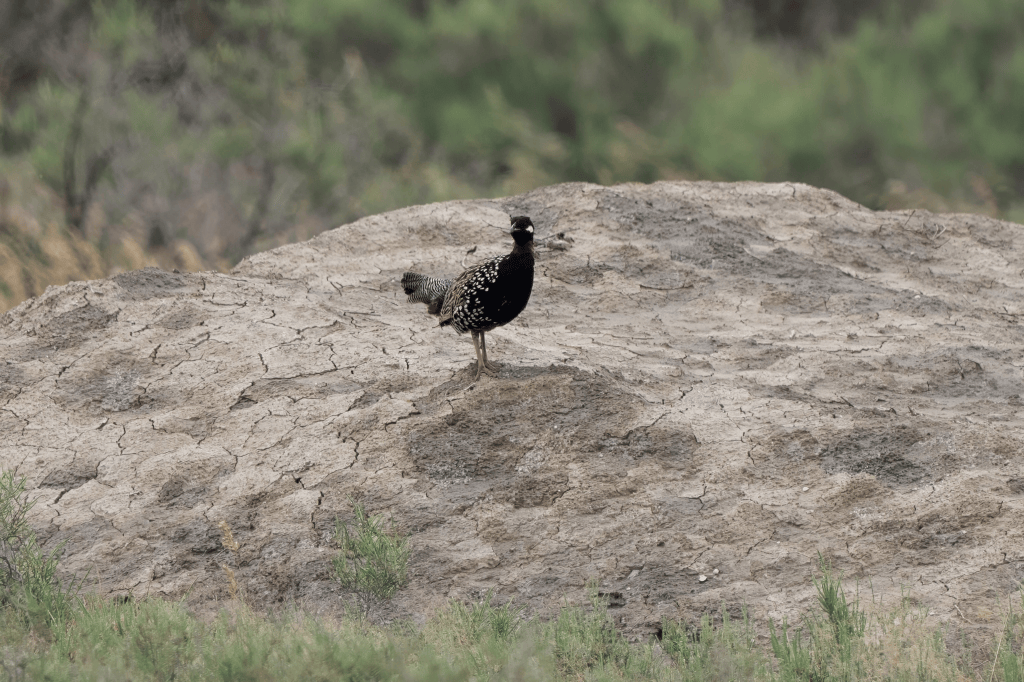
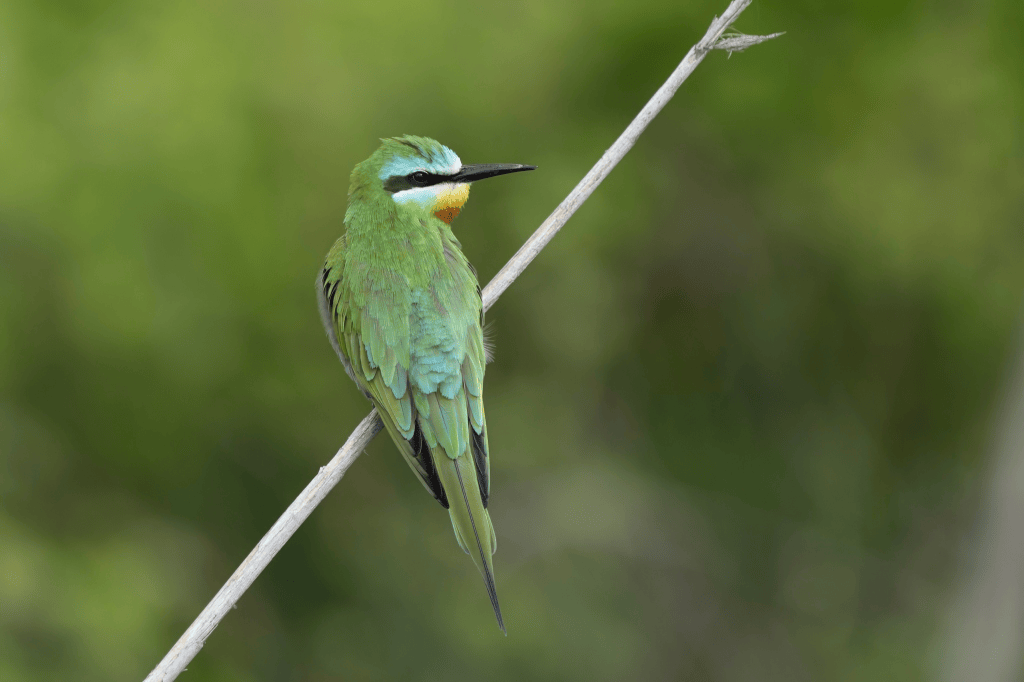
The main attraction of the day was Shirvan National Park, over 54,000 hectares of semi-desert, where 230 bird species have been recorded. Right away we found the birdlife rich and, by our standards, exotic: Black Francolins calling from the hillsides, Blue-cheeked Bee-eaters perched on wires.
An open-vehicle safari brought us goitered gazelles, a species Shirvan works to protect, now numbering near 8000. We were warned about venomous snakes and ticks. In the end we saw one snake, and our guide removed one tick from Kari’s jacket. A refreshing rain shower came during the tea that ended lunch under a thatched roof, and a Little Owl watched from the roof of the service building. On the lake we counted about 40 Whiskered Terns and as many White-winged Terns, plus Ferruginous Ducks, Moustached Warblers and a pair of Pygmy Cormorants.
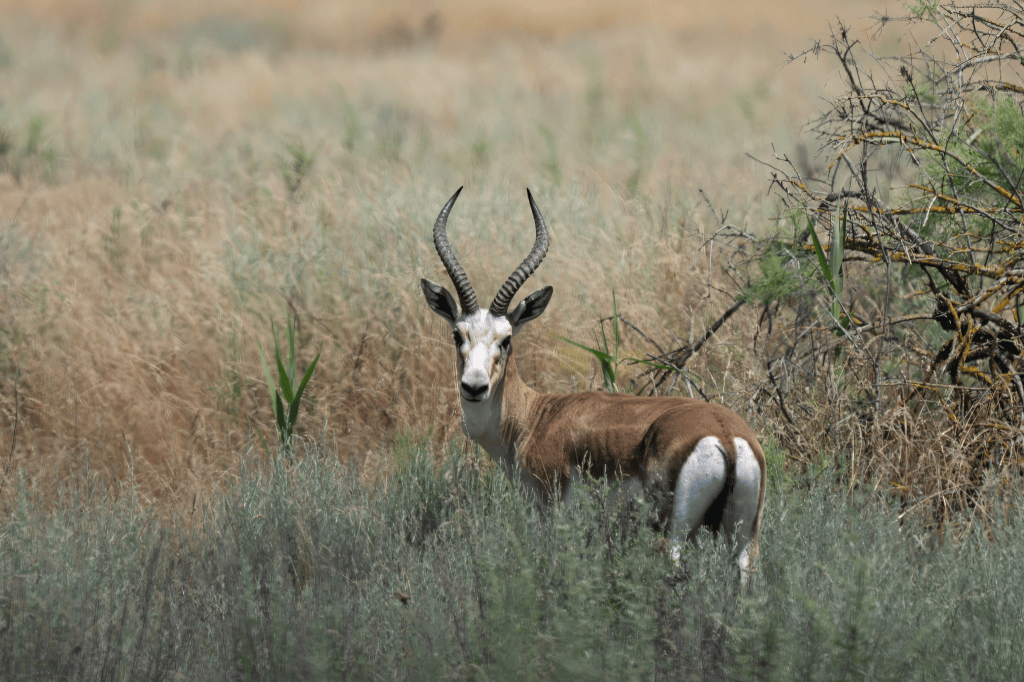
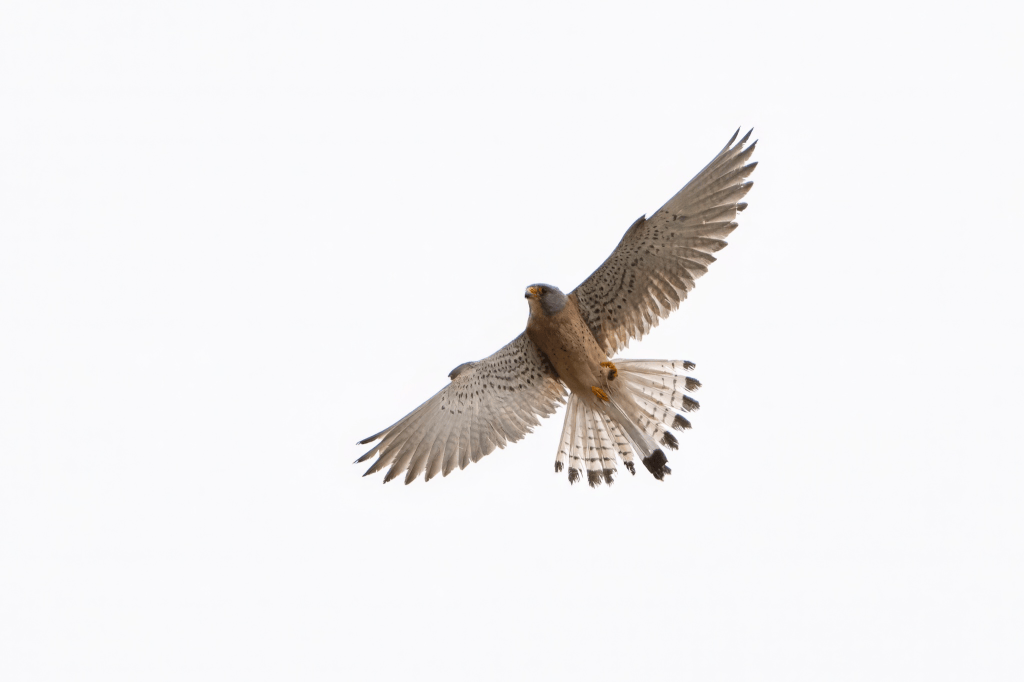
In the evening we reached Lankaran, in the far south-east, where 20 Night Herons flew over the hotel yard.
Friday 22 and Saturday 23 May: Lankaran and the Talysh Mountains
At Kizilagach we watched bee-eaters feeding their young, Hoopoes carrying food, and a flock of 15 Rose-coloured Starlings. A near-constant stream of Whiskered Terns passed by, over 2,000 in all, and a Marsh Harrier took a Great Crested Grebe chick.
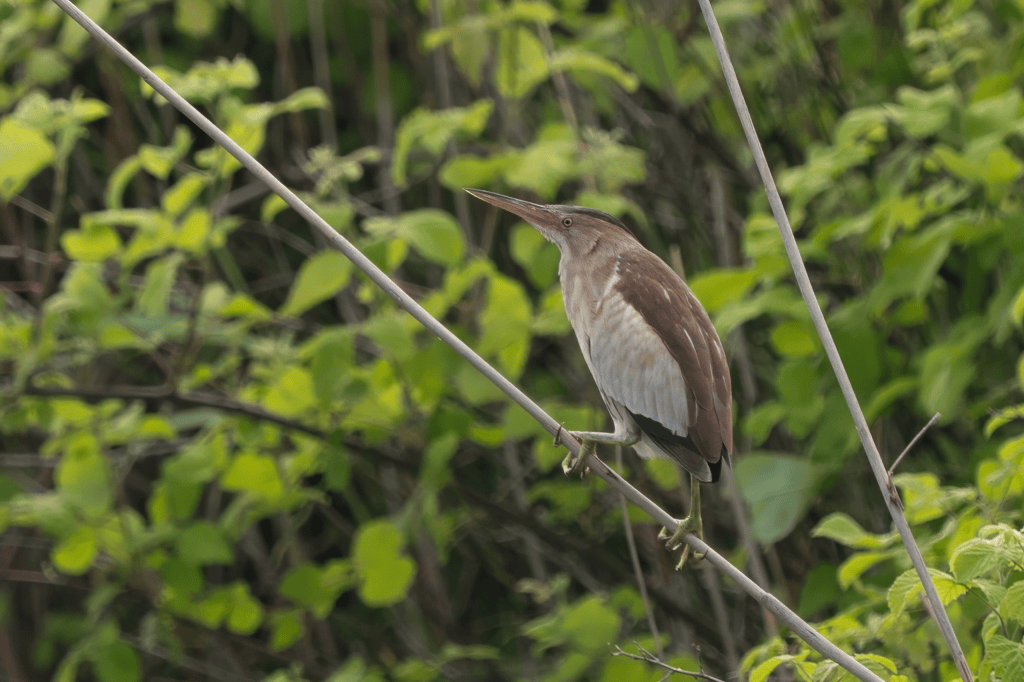
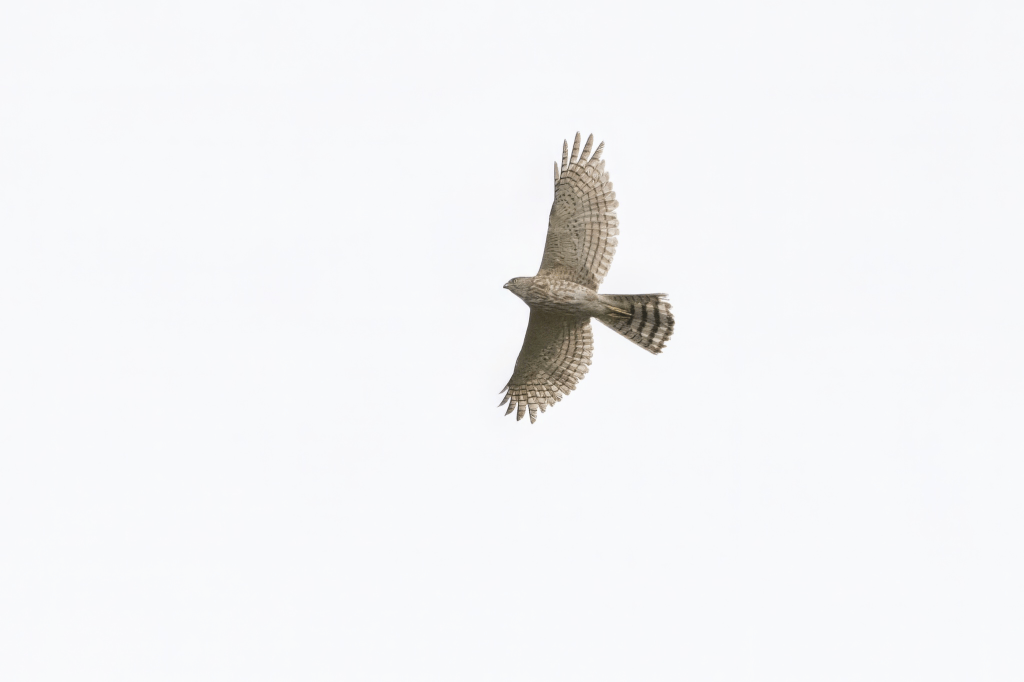
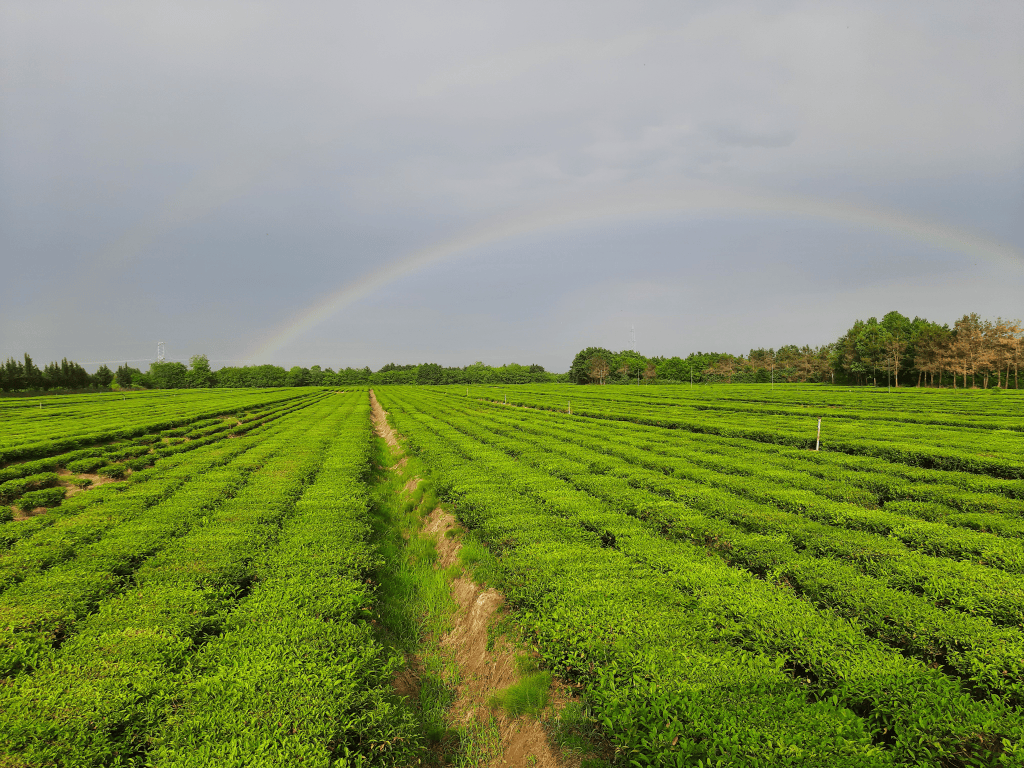
The Hyrcanian forest, a UNESCO site near the Iranian border, was a short walk among tall trees, with a path hopping with tiny toadlets of an endangered species. On a muddy wetland we saw our first Shikra, a rare, almost legendary bird in the Western Palearctic. A tea plantation visit ended the day, with tasting and smelling of the different teas.
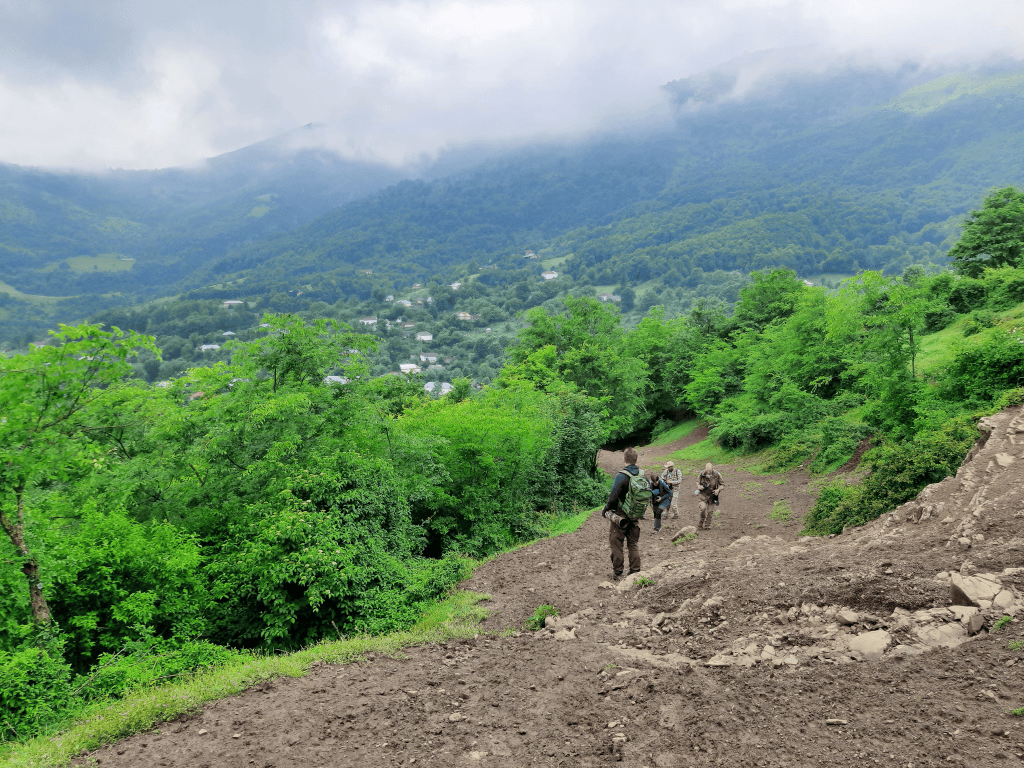
Saturday took us north-west to Lerik, where the locals greeted us with a mixture of suspicion and curiosity. We swapped the minibus for three four-wheel-drive jeeps and climbed up to Mastail village on a narrow, bumpy, crumbling road, with a driver who smoked all the way. From there we hiked on, guided by a 13-year-old schoolboy who spoke a few words of English, liked football and was proud to be a guide for birdwatchers. The path was muddy and slippery, the brambles scratched us, and cowbells chimed. After an hour we heard our first target, a Caucasian chiffchaff. Later we found a Caspian Tit in the company of Coal Tits. I failed to photograph it, but I saw it well, which was the main thing. On a steep descent I slipped and landed on my back in the mud. Nothing was hurt, though the evening included laundry.
Lunch was at the boy’s family guesthouse. We managed perhaps half of what the hosts carried out. The ride back down was another story. Our driver suddenly decided to go rallying on that steep, winding road, overtaking madly with the horn blaring. One of us said it was the first time in his life he had felt fear in a car. We made it back in one piece.
Sunday 24 May to Monday 25 May: the coast and the road north
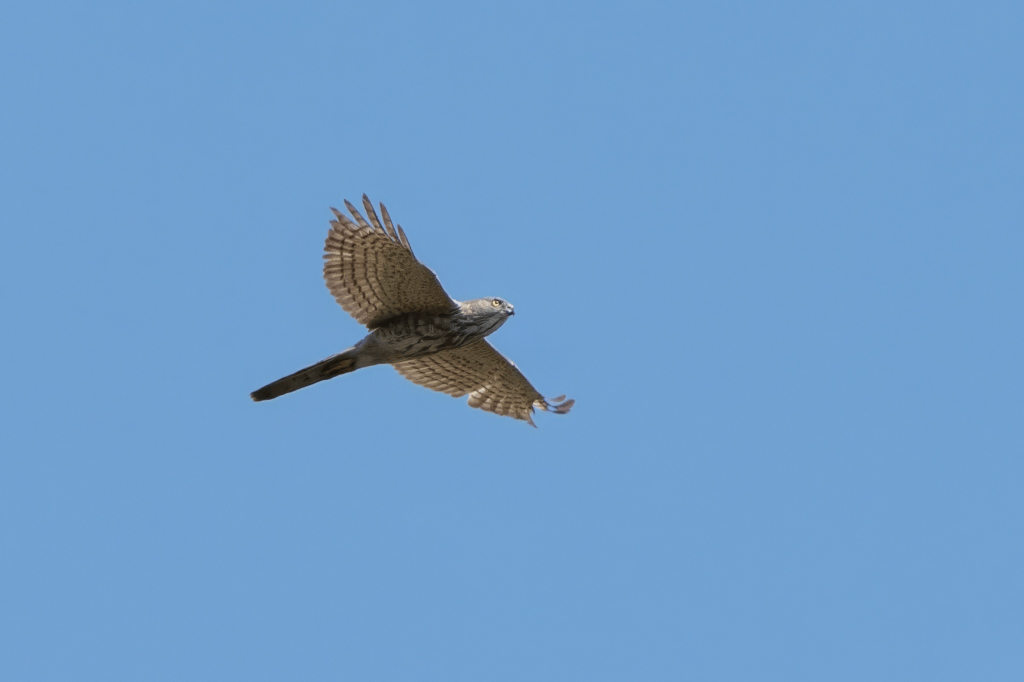
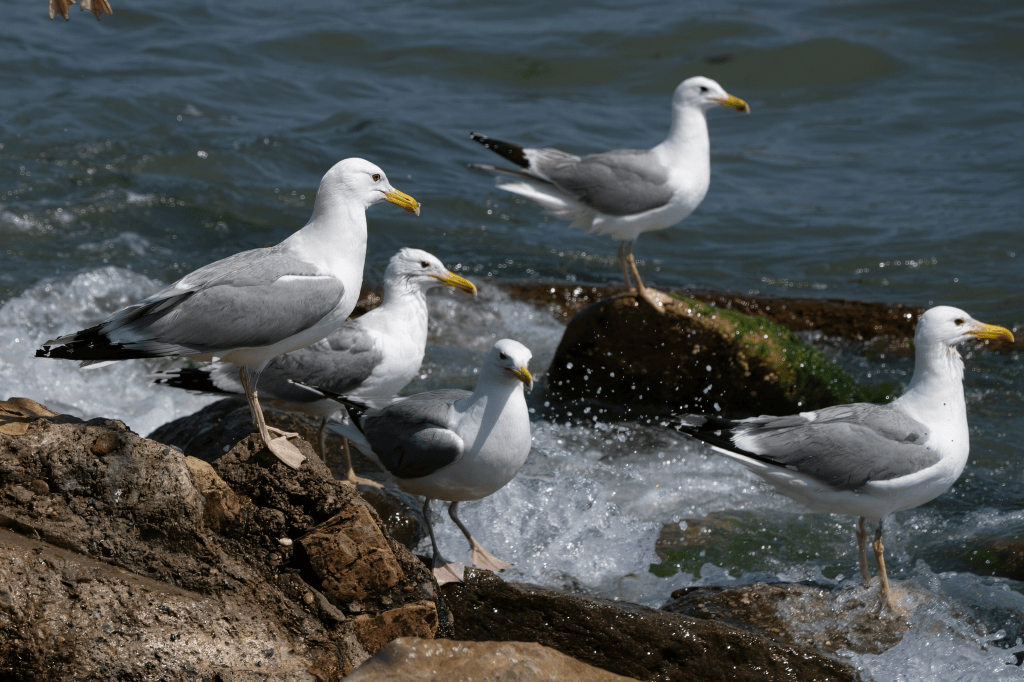
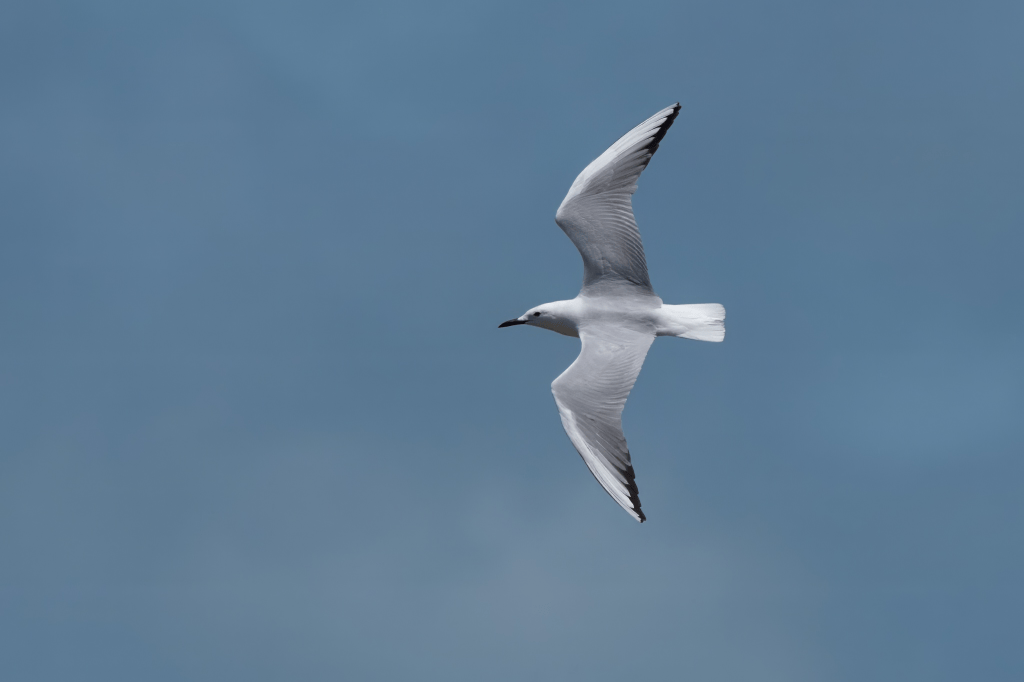
At Masalli, after a short wait, three Shikra appeared: two adults and one young bird. Then came Gobustan, full of Sunday tourists and school classes, and a lunch of fish in Baku beside 150 Caspian Gulls, among them a lost juvenile Armenian Gull.
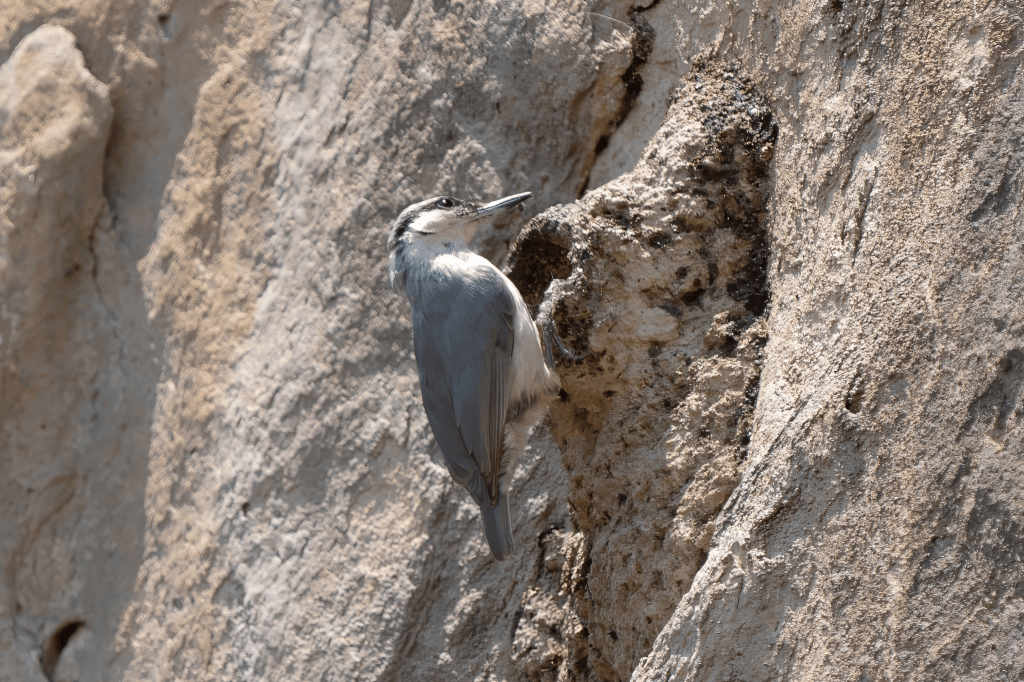
On the Absheron Nature Park, rain had left a large pool that drew dozens of waders. Our minibus got stuck in the sand, and the guides and driver dug it out with planks washed ashore. We lost so much time that the tea stop at the park gate was cancelled, which the staff member who had set the table did not appreciate.The evening meal in Baku ended with a Azerbaijani tradition: a flaming rice cake, followed by a cloud of steam from a pot lid that fogged the whole table.
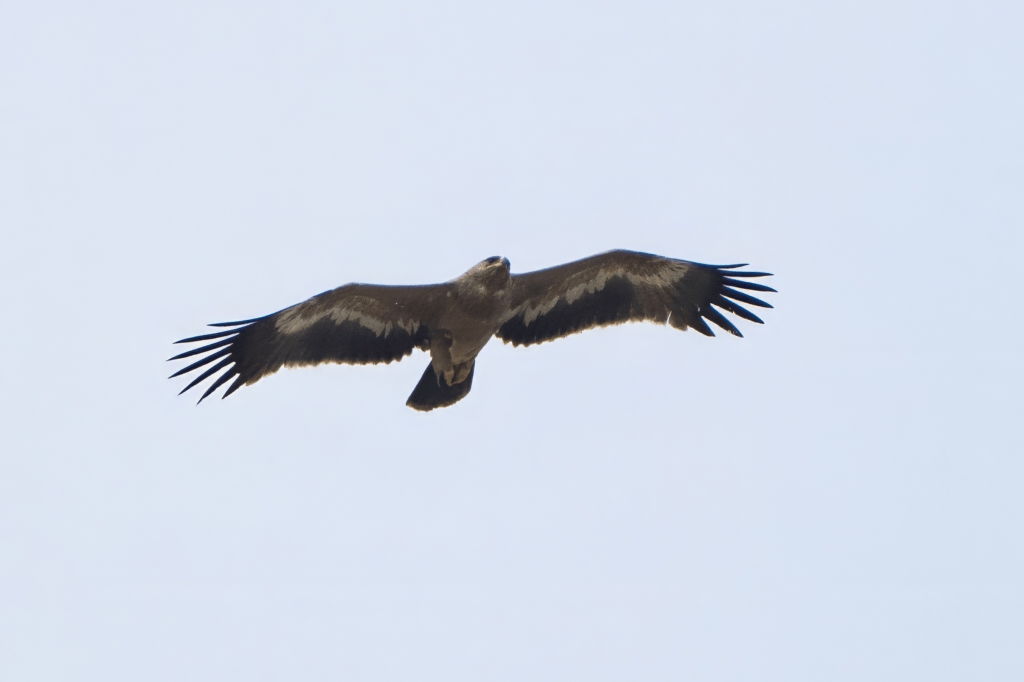
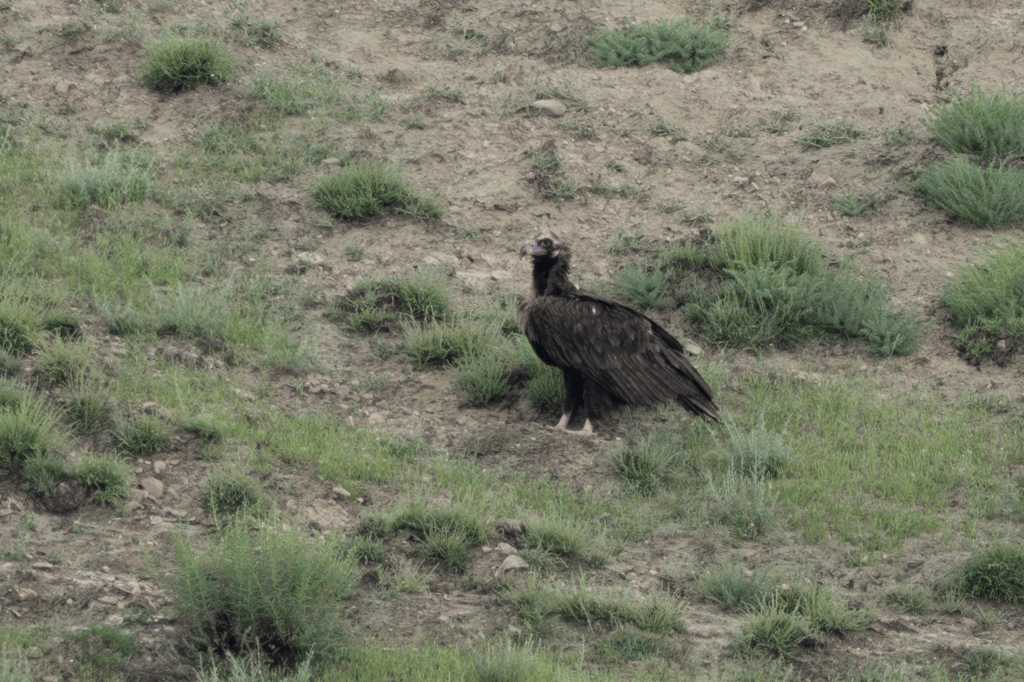
On Monday (25 May) the tour turned north, and a stop at Qanli Gol Reservoir started the day with a bang: 7 Cinereous Vultures, 4 Griffons, 3 Steppe Eagles, 4 Imperial Eagles and 12 Black Kites, all at once. I felt almost like a small boy in a candy shop.
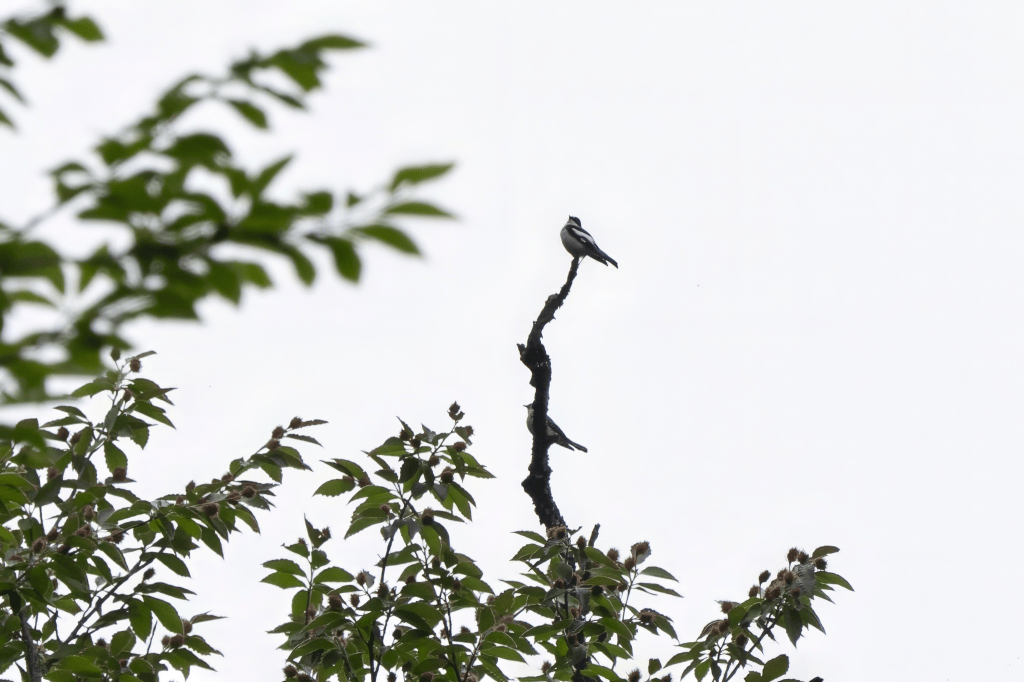
We birded the Candy Cane mountains and the forests near Khizi where we saw feeding vultures, Black-headed Buntings, Woodchat Shrikes, Rufous-tailed Scrub Robins, Eastern Black-eared Wheatear, etc. By evening reached Laza, a mountain village of about 100 people who speak Lezgi. The road up was in bad shape, with rain and fog, but we didn’t get stuck. We slept in the village guesthouse, where electric heaters did a good job.
Tuesday 26 and Wednesday 27 May: Laza and Xinaliq
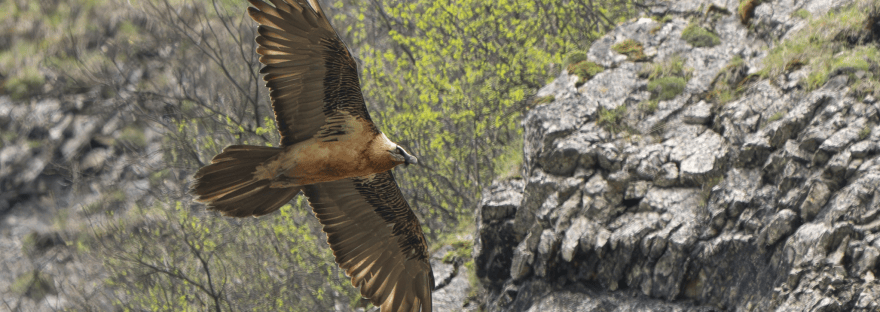
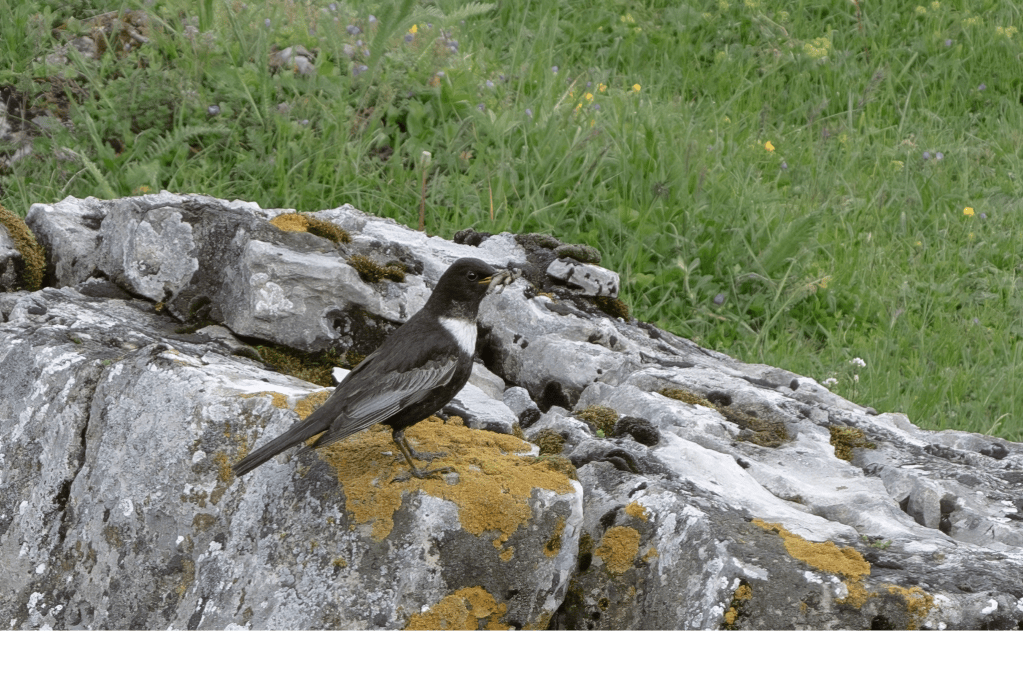
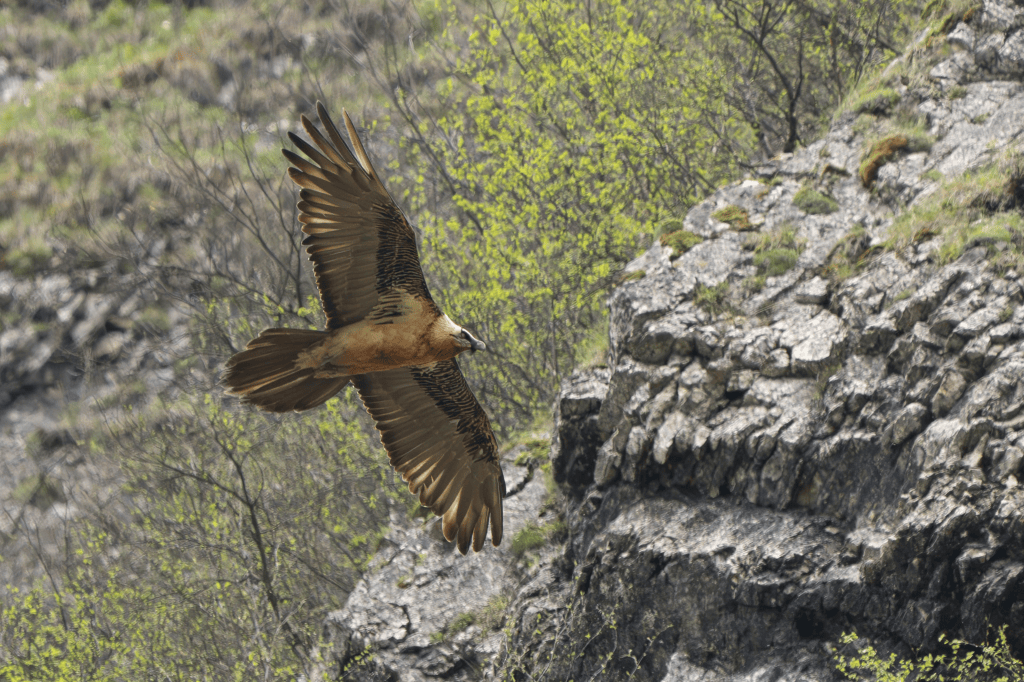
Early on Tuesday, before breakfast, we gathered in the yard with our telescopes, searching the green slopes for the Caucasian Grouse. We found six displaying males, now and then hopping about in a funny way. Later we climbed higher, to Suvar, among flowering slopes, and watched Rock Thrushes singing. Then a Bearded Vulture came circling so close and so long that I took far too many photos.
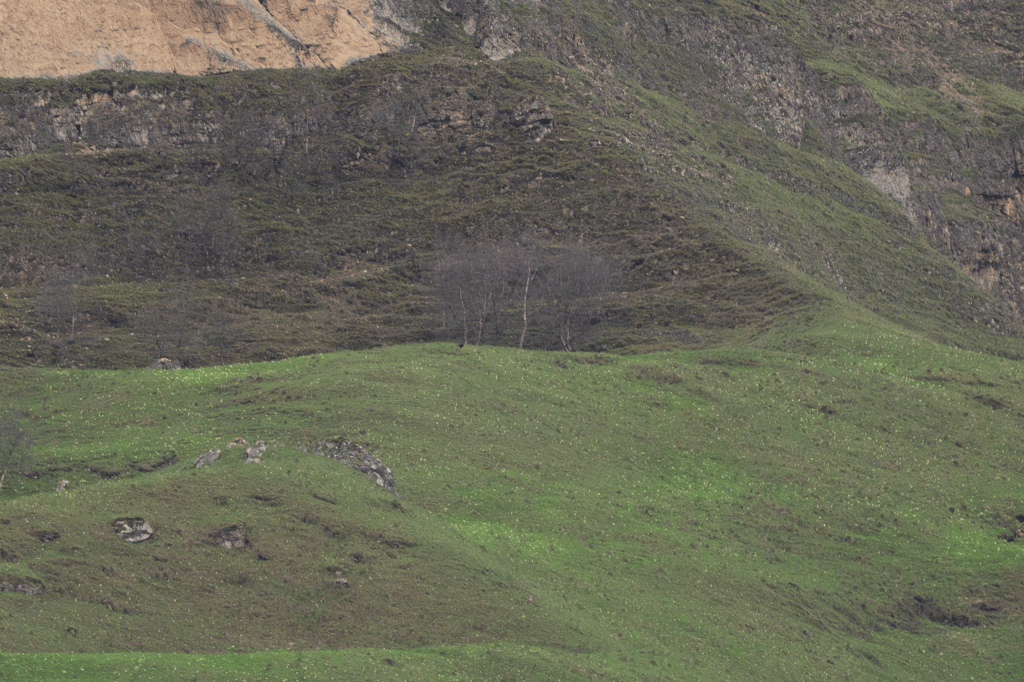
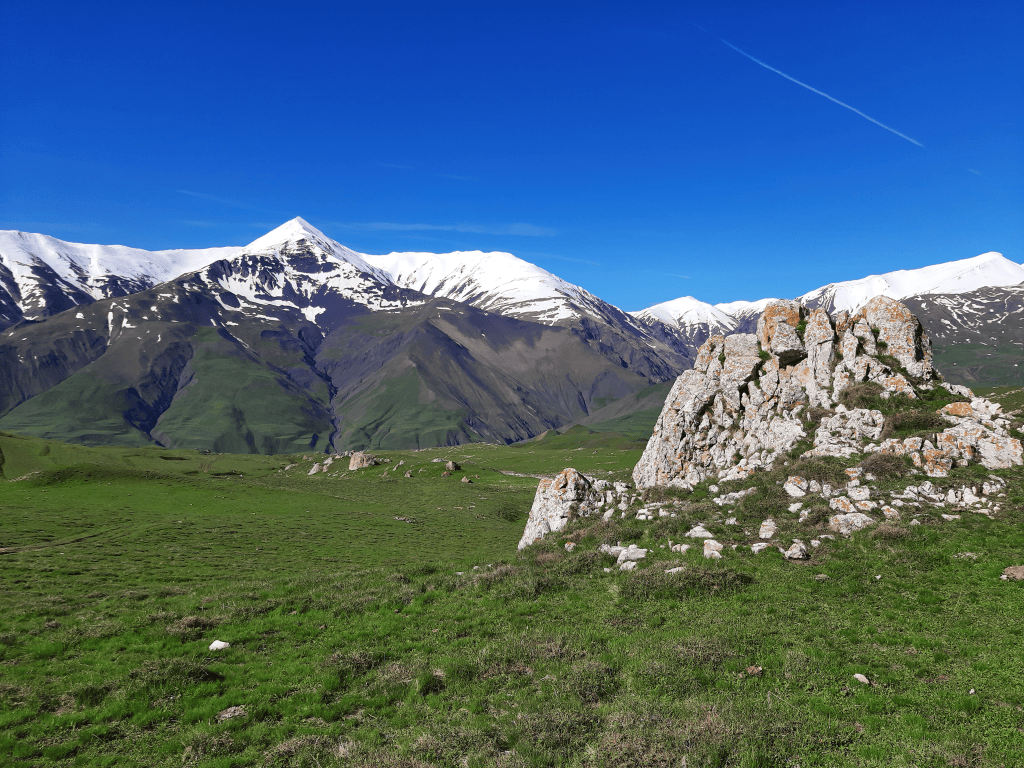
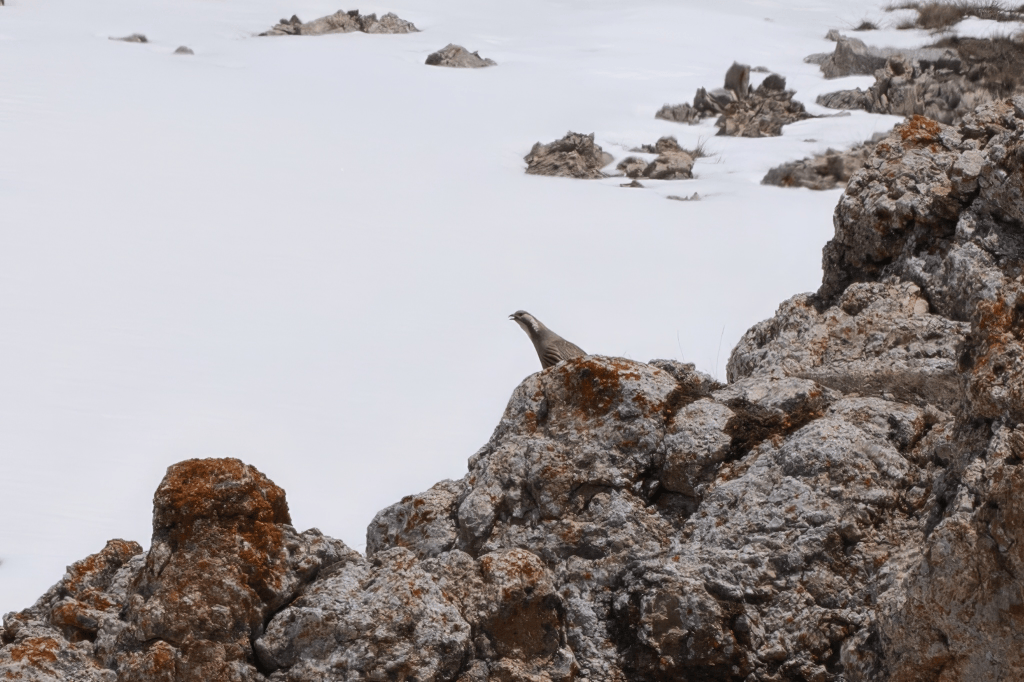
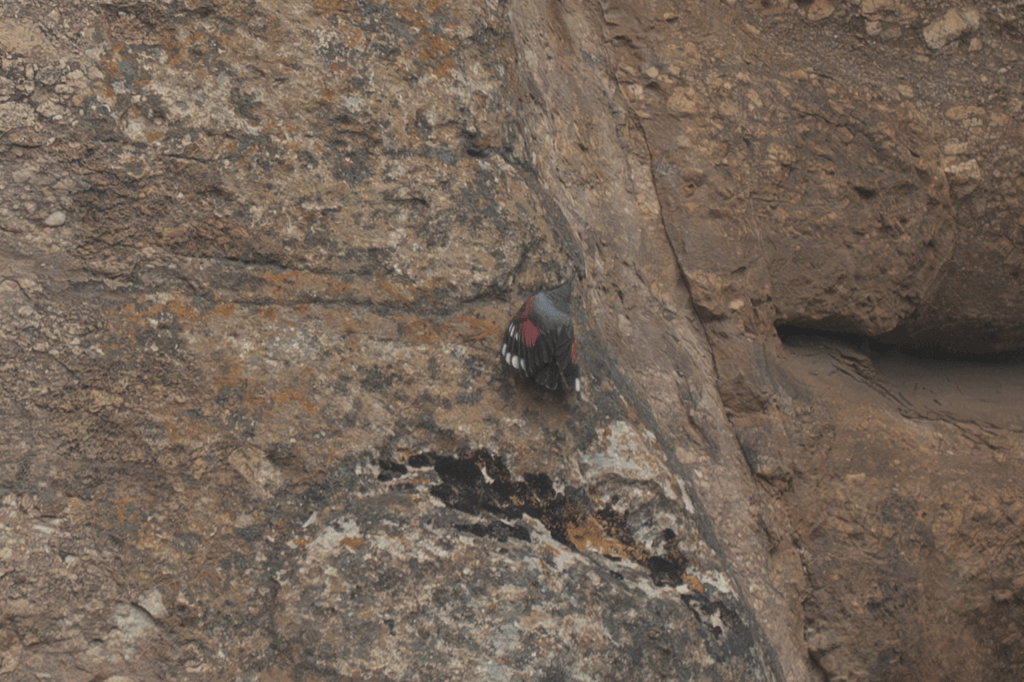
On Wednesday we rode three jeeps to Khinalig (Xinaliq), the highest village in Azerbaijan and one of the highest permanently inhabited in the world, a UNESCO site since 2023. About 2,000 people live there, with their own ancient language and culture. We drove on up to 2,400 metres, where the track was washed away and the lead jeep’s wheels began to spin. That’s where our support camp came to be. Some of us stayed. Some continued on foot after our guide to 3,000 metres. The air was thin and we puffed after a few steps, but we heard the Caucasian Snowcocks whistling their lonely call, higher and higher up the slope. With trembling hands, tired from the climb, I tried to photograph them. Seeing their display was, nonetheless, unforgettable.
Thursday 28 May to Monday 1 June: Nakhchivan
A 50-minute flight took us from Baku to the Nakhchivan exclave, near the Iranian border. Zulfu, born in Nakhchivan, joined with the local guide Emil. They told us there are only ten active birdwatchers in Azerbaijan, which means the country’s birdlife is still partly uncharted.
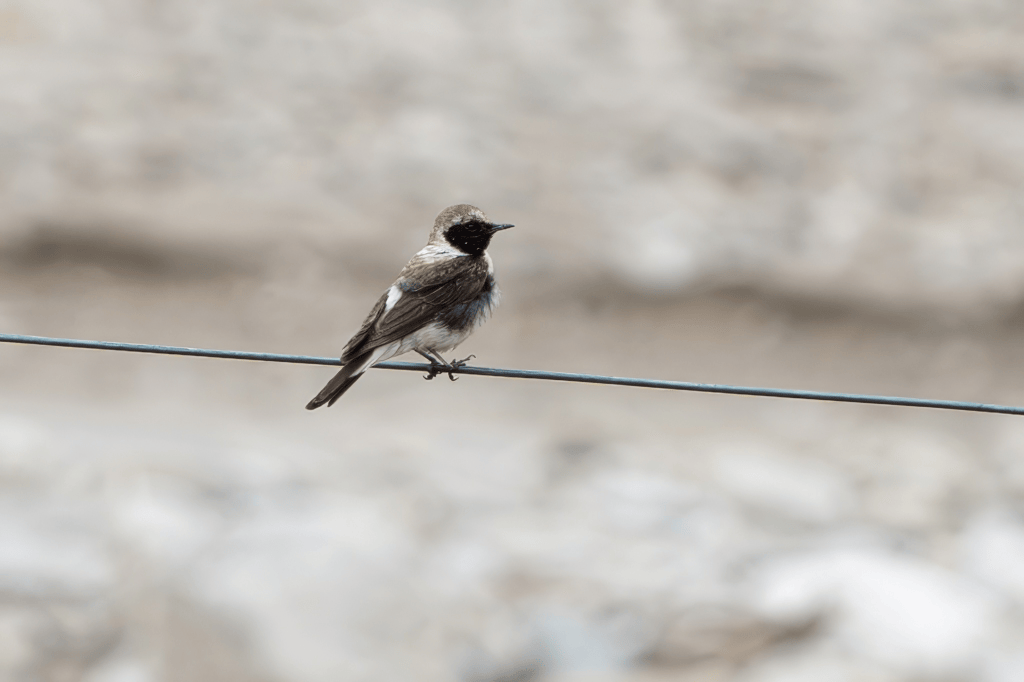
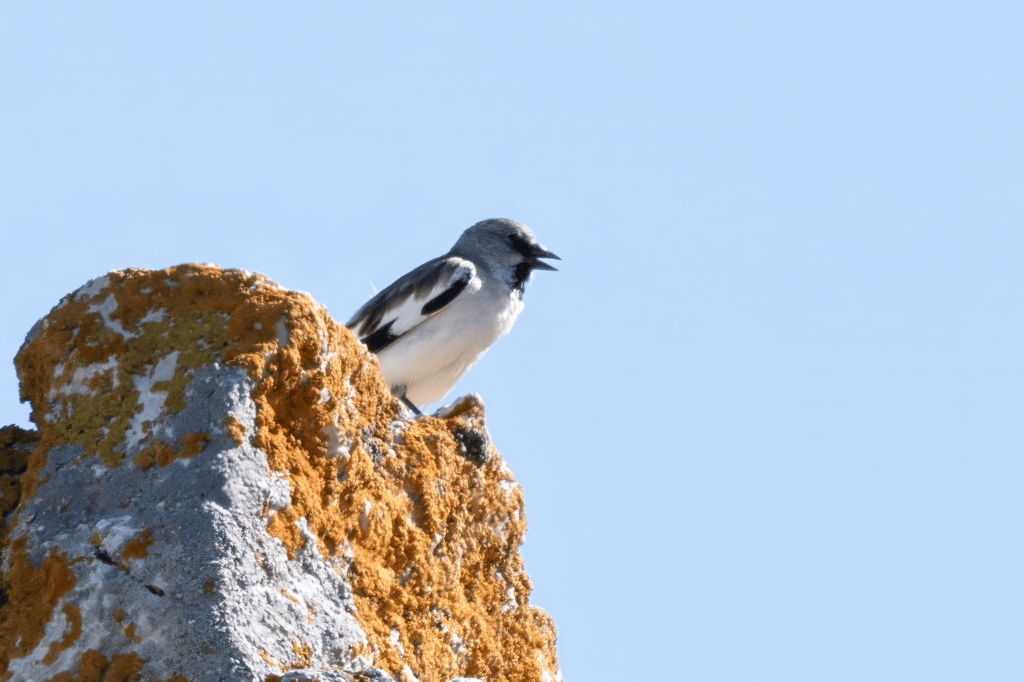
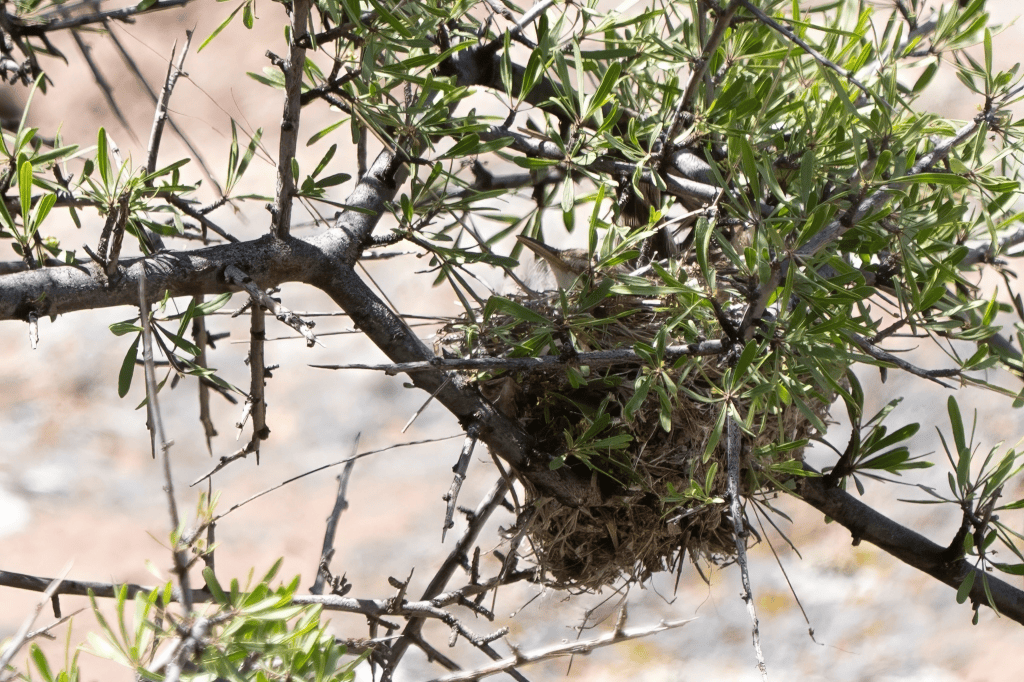
At breakfast on Friday, our youngest participant, Lauri Viitanen, reported that he had already been out before the meal and had found a singing Sykes’s Warbler. Breakfast was quicker than usual, and we all went to listen. The literature says the species doesn’t breed in Nakhchivan, but this was a keen singing territorial bird, and over the next few days we heard at least five. Out in the hills we found Pied and Persian wheatears, and an Armenian mouflon ram standing high on a cliff. In a rocky pass we found three Upcher’s Warblers, one incubating. Lauri’s keenness paid off again and again.
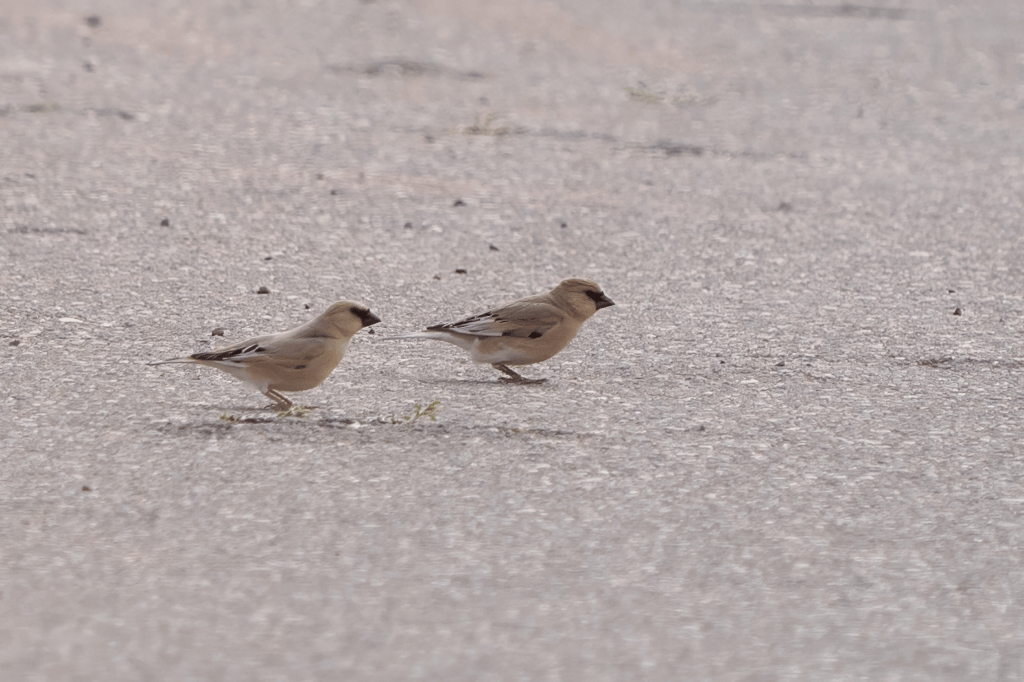
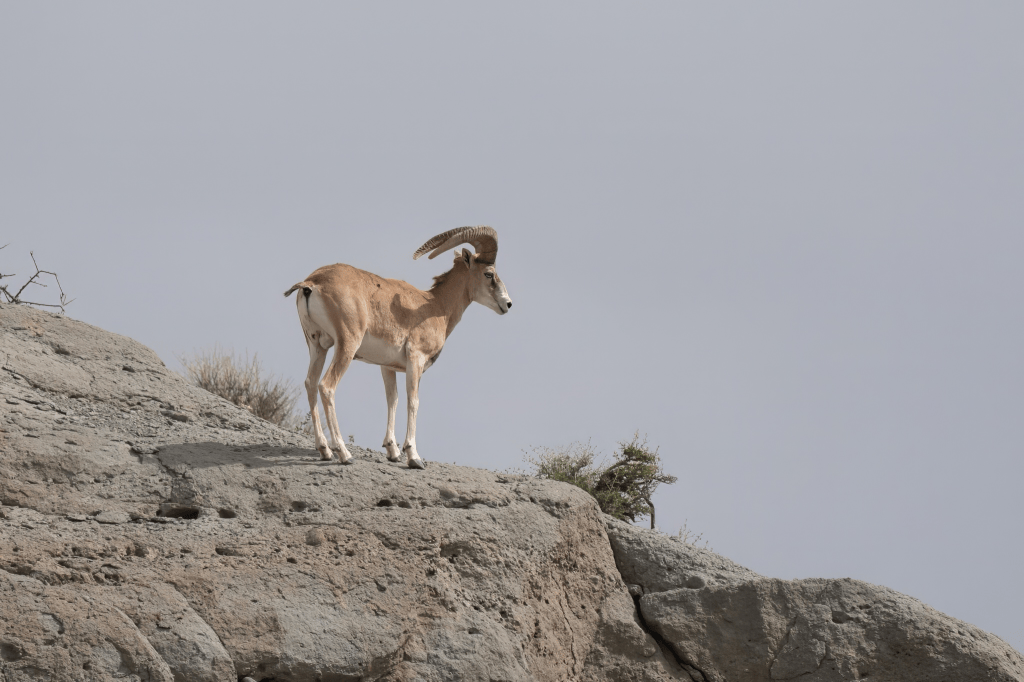
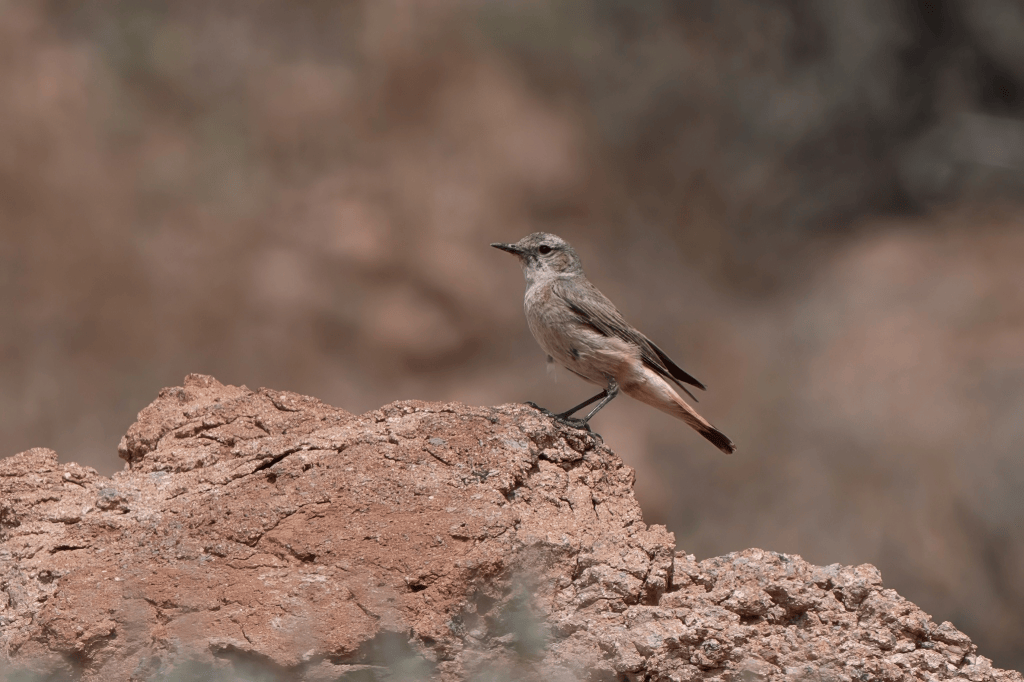
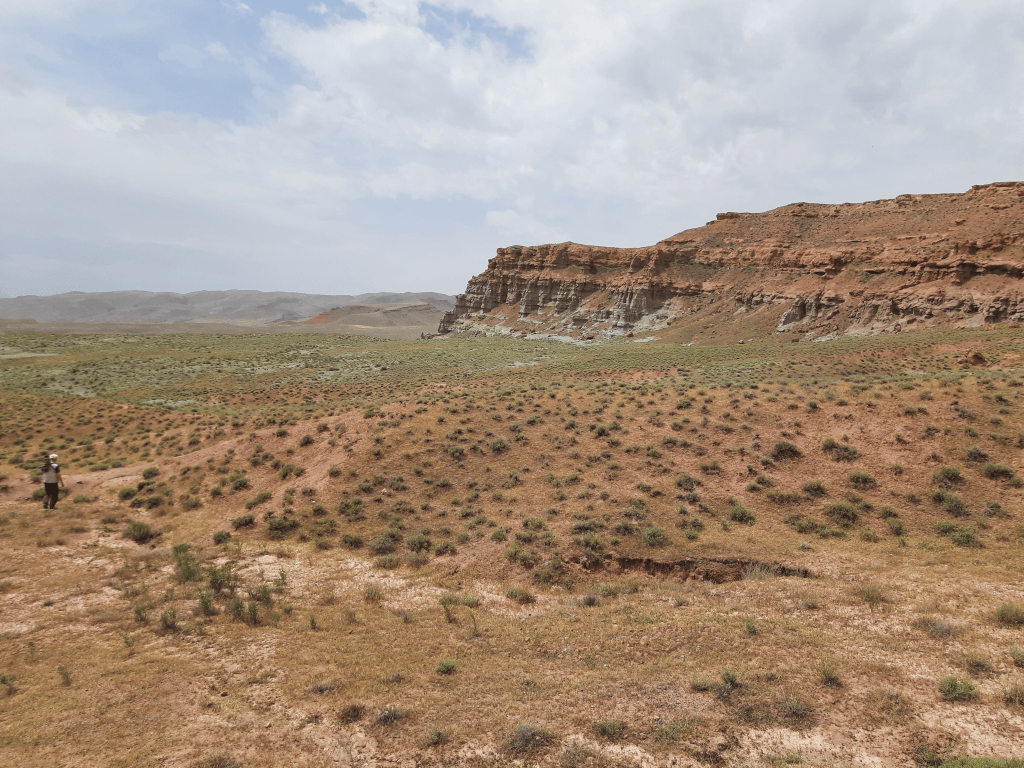
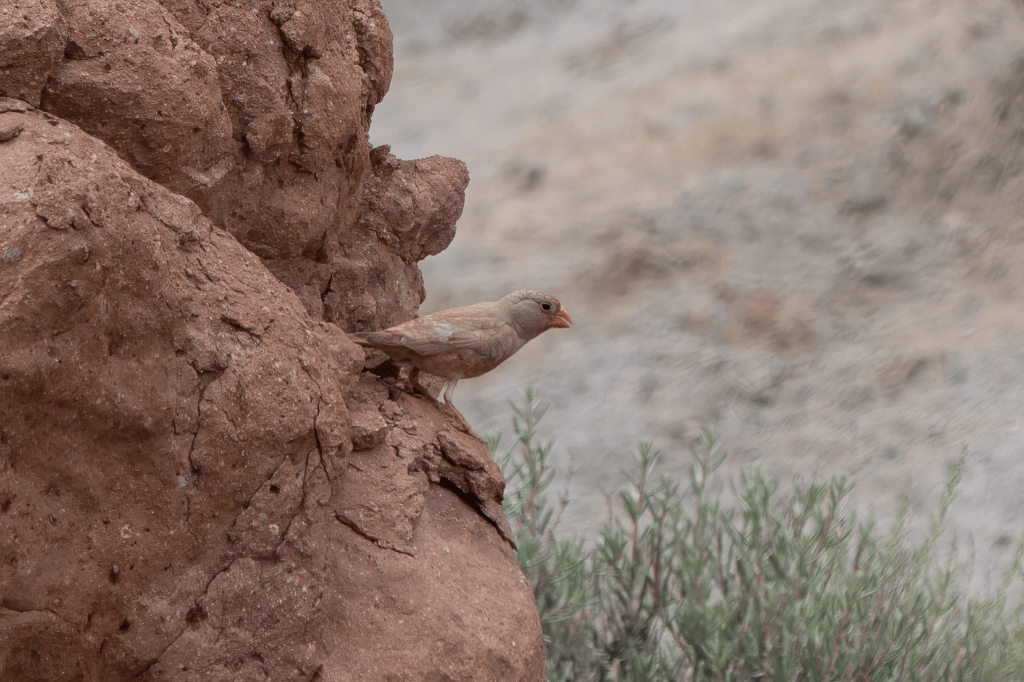
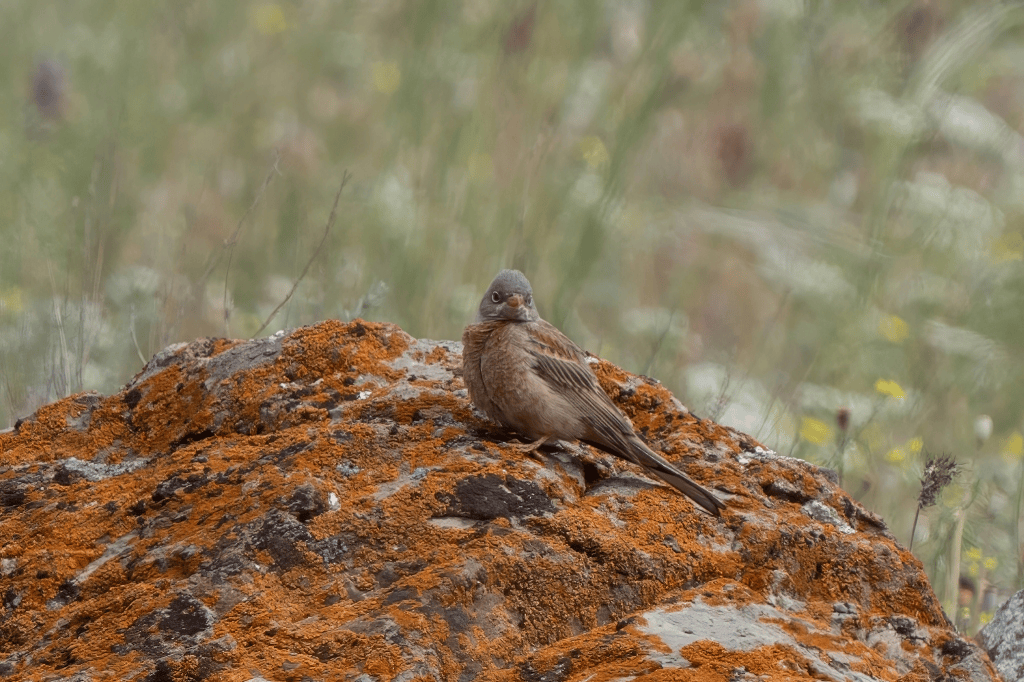
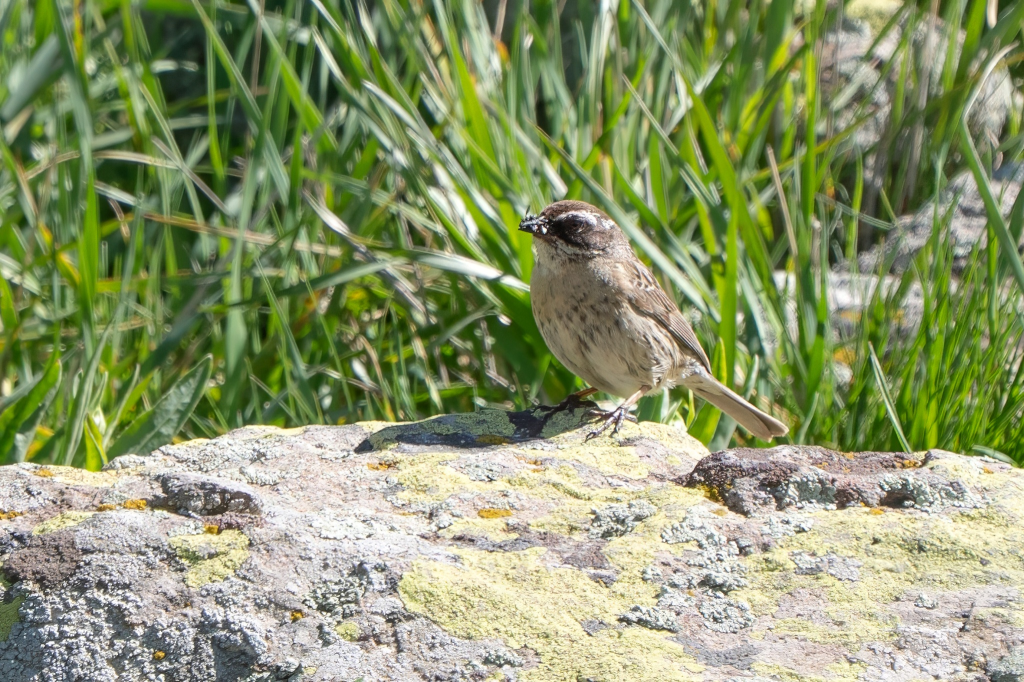
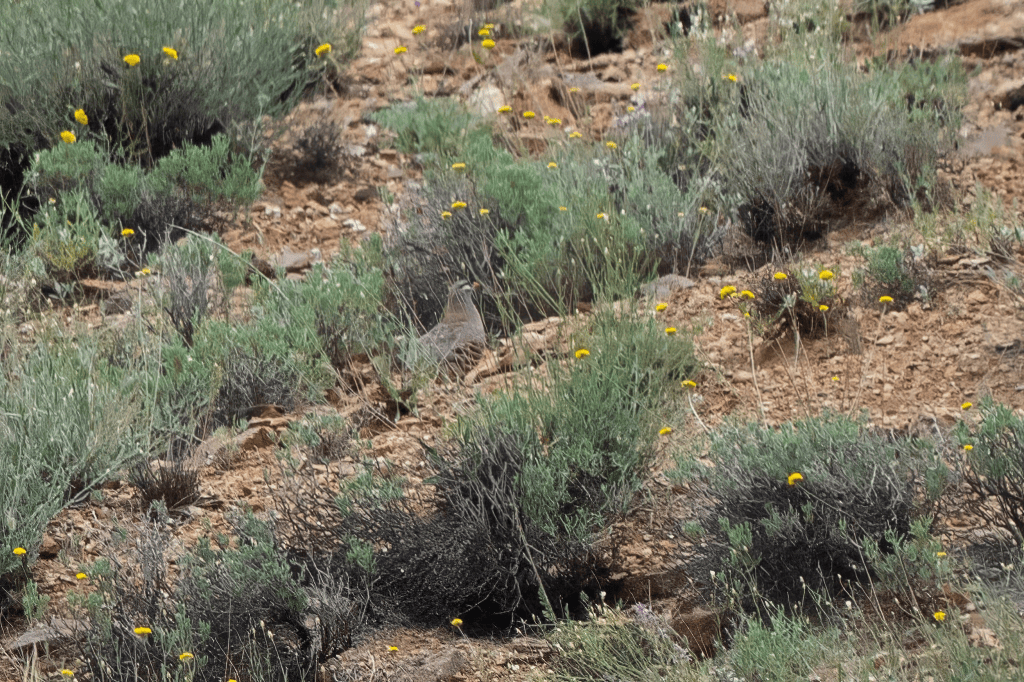
Saturday brought the majestic Ilandagh mountain (2,415 metres), where legend says Noah’s Ark split the summit, and a day of lark-watching, raptor-watching and lunch in the field. Among the new species were Grey-necked buntings and Pale Rockfinch. See-see Partridges were still missing until later in the day, when many sharp eyes found them in two places. The biggest surprise came in the afternoon: a churring Bimaculated Lark.
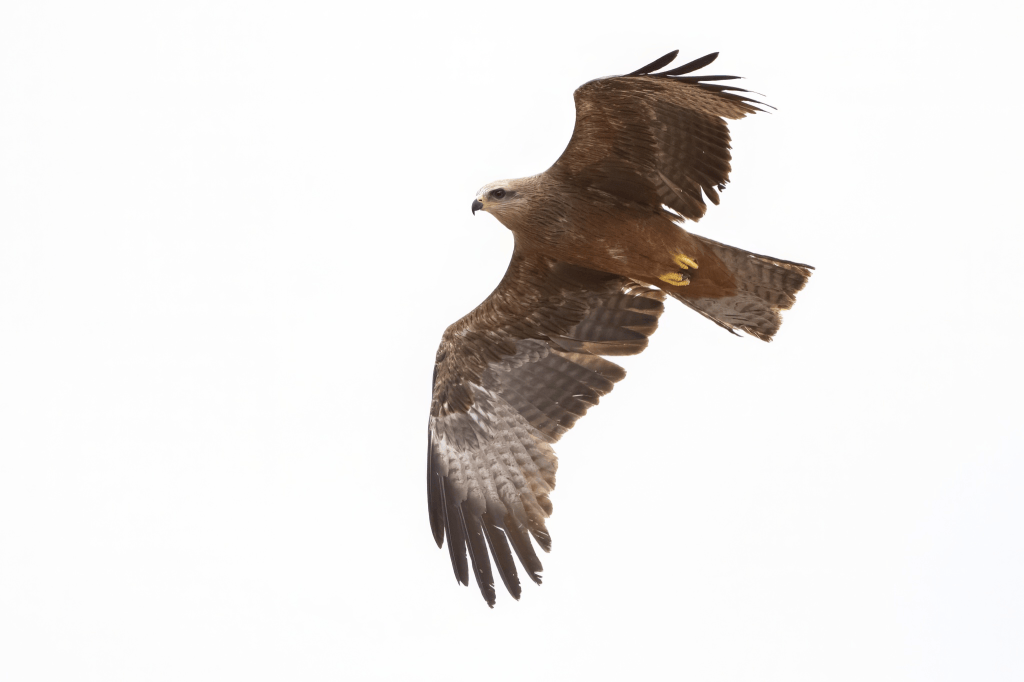
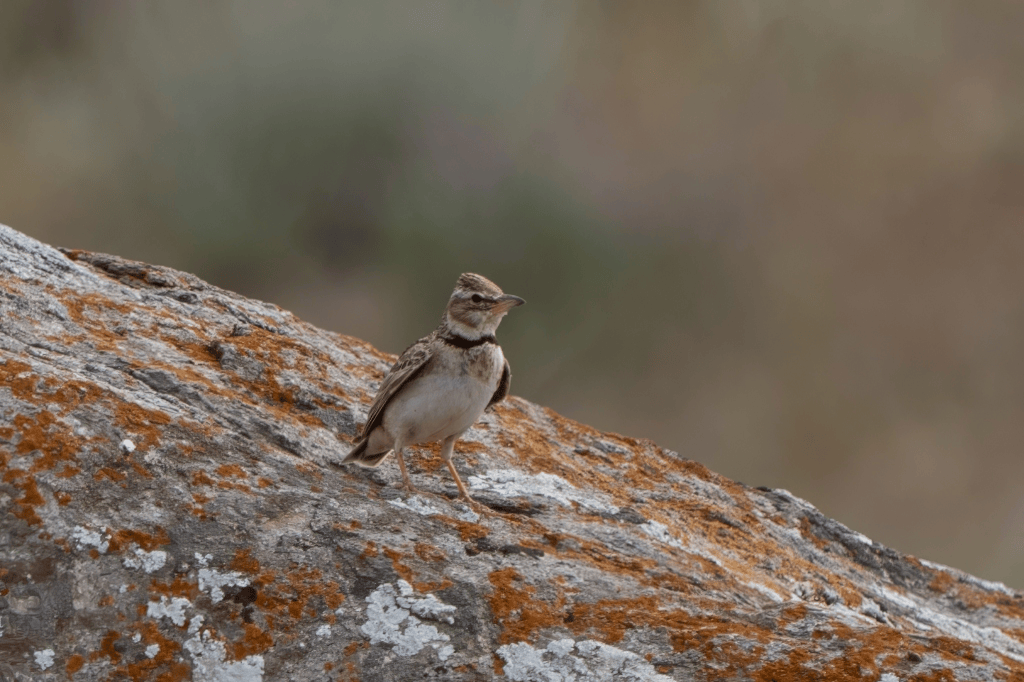
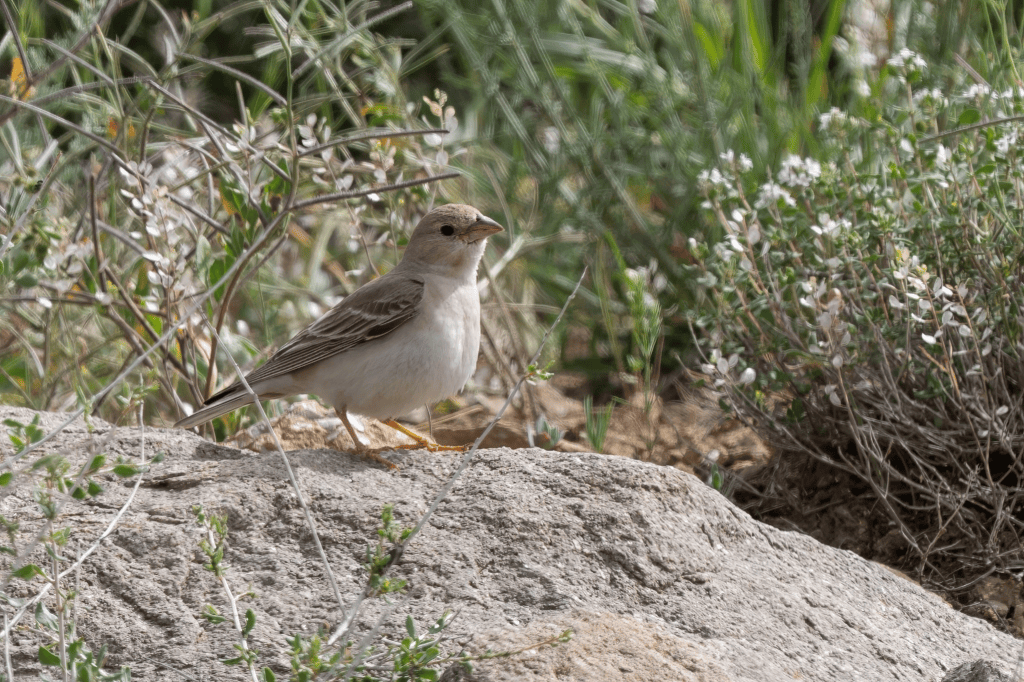
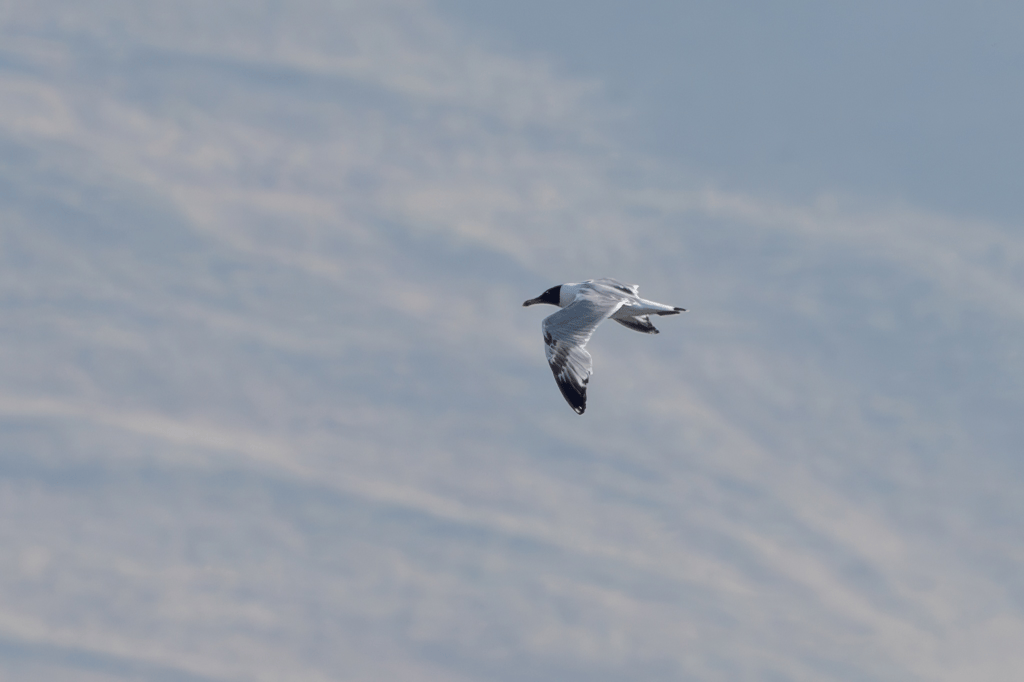
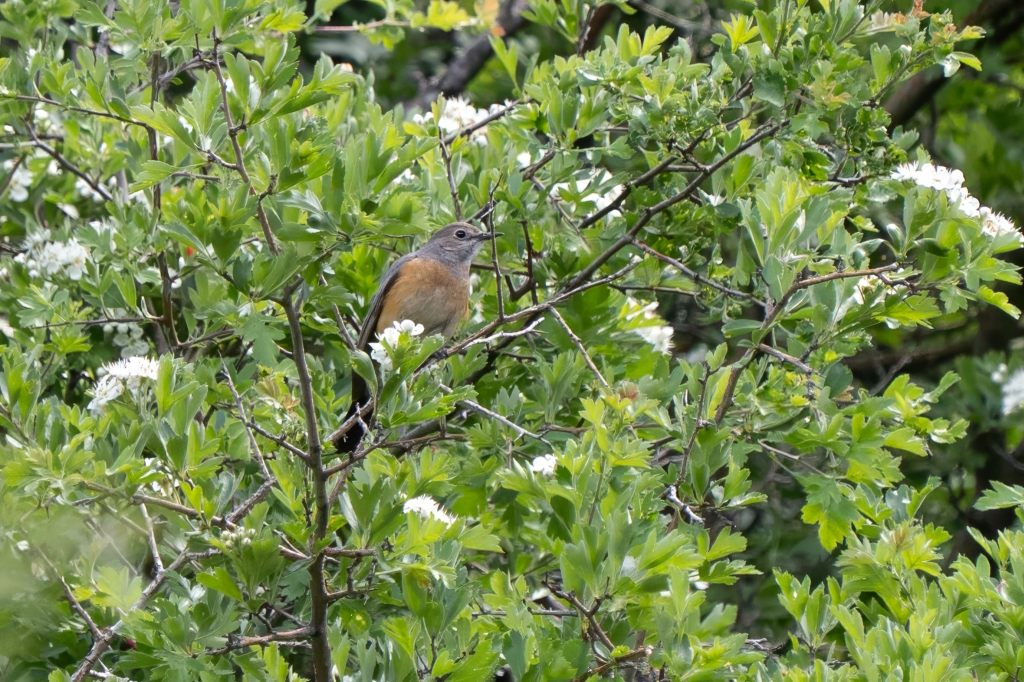
On Sunday we visited a lake with about 200 Armenian Gulls nesting on the far shore, Ruddy Shelducks guarding their fluffy chicks and 14 Greylag Geese. On the slopes of Shahbuz, we saw a mare with her foal nursing beside a group of teenage riders. The day brought a lifer for me, the White-throated Robin, in a gorge. Evening ended in a park overlooking the Iranian border, where 24 pelicans shimmered in the heat haze.
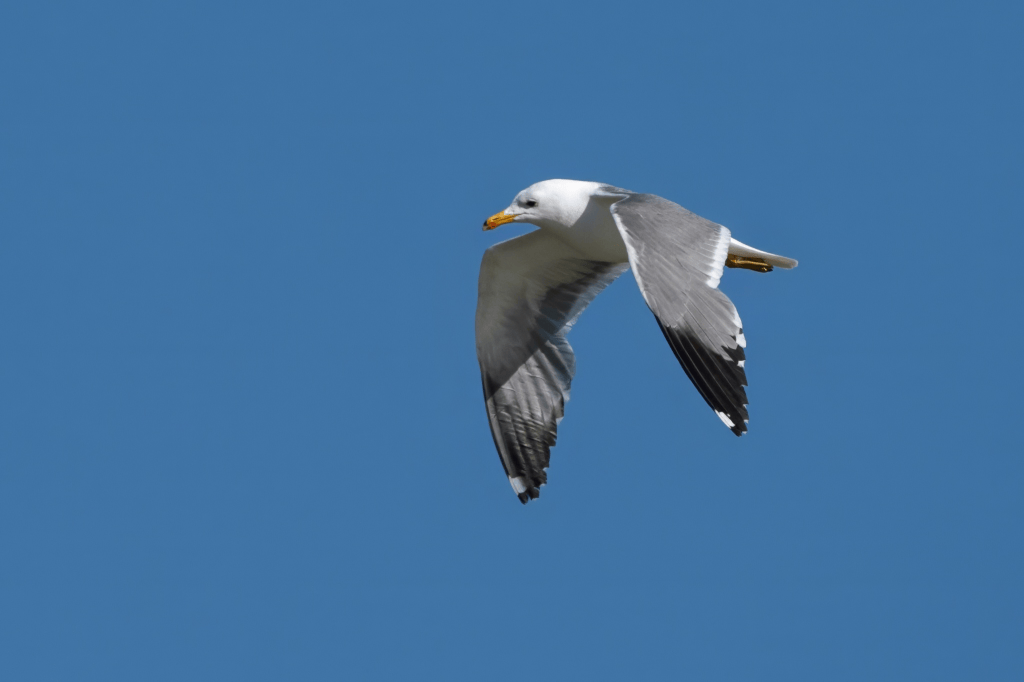
On Monday we looked for the Caspian Snowcock near the Armenian border. By noon they no longer called, and the stream was loud, but I saw one standing for a moment on a rock ledge. Four were seen altogether. We flew back to Baku in the evening.
Tuesday 2 June: the last day
Some of us went back to Absheron NP. The pool that had been full of waders at the start of the trip had dried up. As we left the park, a ranger showed us a female Lesser Kestrel with a broken wing that he had found on the ground. Kari phoned Zulfu, who arranged care for the bird. We don’t know how it turned out.
That night we flew to Frankfurt, and in the morning on to Helsinki.
We recorded 231 bird species during the trip, 29 of them new for me. It was a great trip.
Kari Korhonen has scheduled the next Azerbaijan tour for 13–27 May 2027.

