
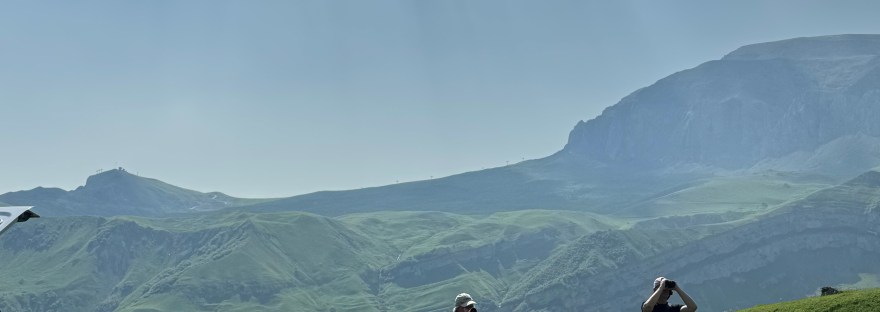
Looking back on 2025, we remember a year shaped by migration seasons, changing landscapes, and many shared days in the field. It was a year of small groups, focused birding, and meaningful experiences across Azerbaijan’s diverse habitats.
In 2025, Birding Azerbaijan organized 12 birding trips, including both private and small group tours. Over the course of the year, we welcomed 42 participants from several different countries. While these numbers provide a snapshot of the year, they only begin to reflect what unfolded in the field.
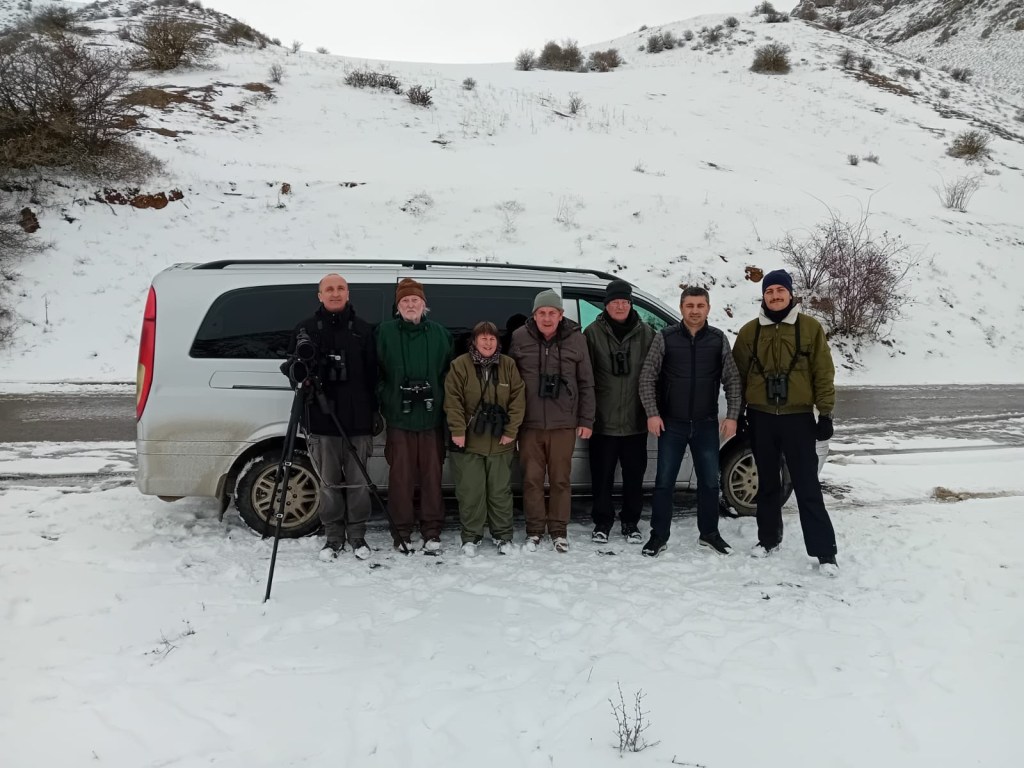
Birding activities in last year spanned the full annual cycle, with each season offering distinct opportunities. A number of visitors joined us during the winter months, primarily focusing on species such as Little Bustard and other birds present year-round in Azerbaijan’s mountains, open steppe and wetland landscapes.
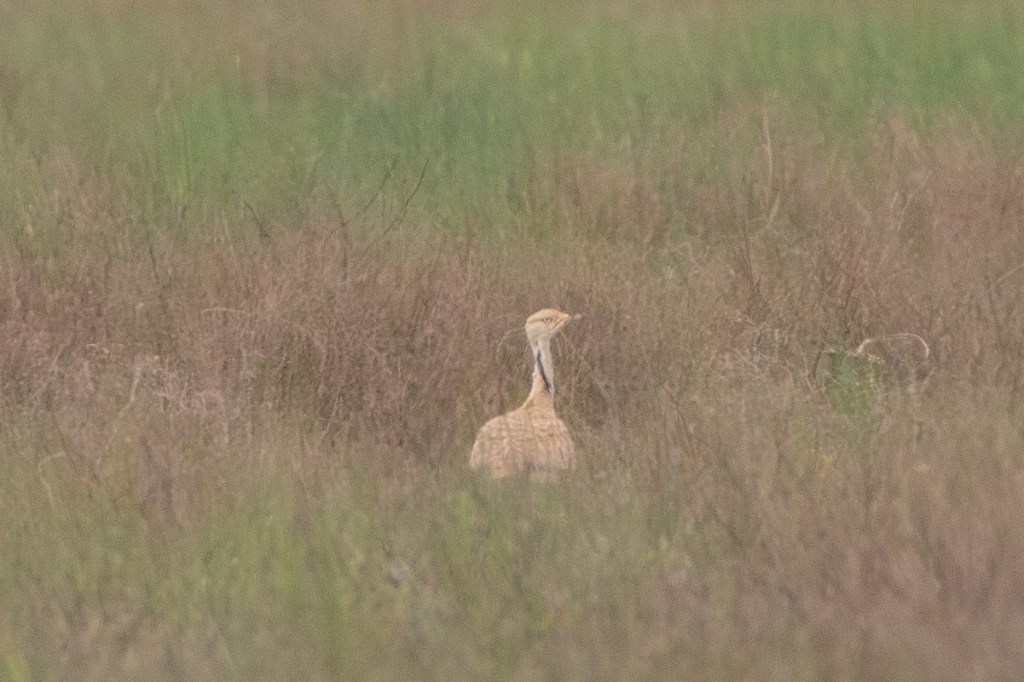
One of the most remarkable records of the year came from Absheron National Park on 29 April 2025, when an Asian Houbara (Chlamydotis macqueenii) was observed and photographed during a spring birding tour. This sighting marked the 11th national record of this globally Vulnerable species and, notably, the first modern spring record for Azerbaijan. Historically, the species has been recorded only sporadically in the country. The absence of leg rings on this individual suggests a wild origin, though its presence is likely linked to the Kazakhstan reintroduction programme, from which GPS-tracked birds have previously been shown to cross the Caspian Sea into Azerbaijan. The easternmost location of the sighting supports this scenario and highlights the importance of the Caspian corridor for long-distance movements.
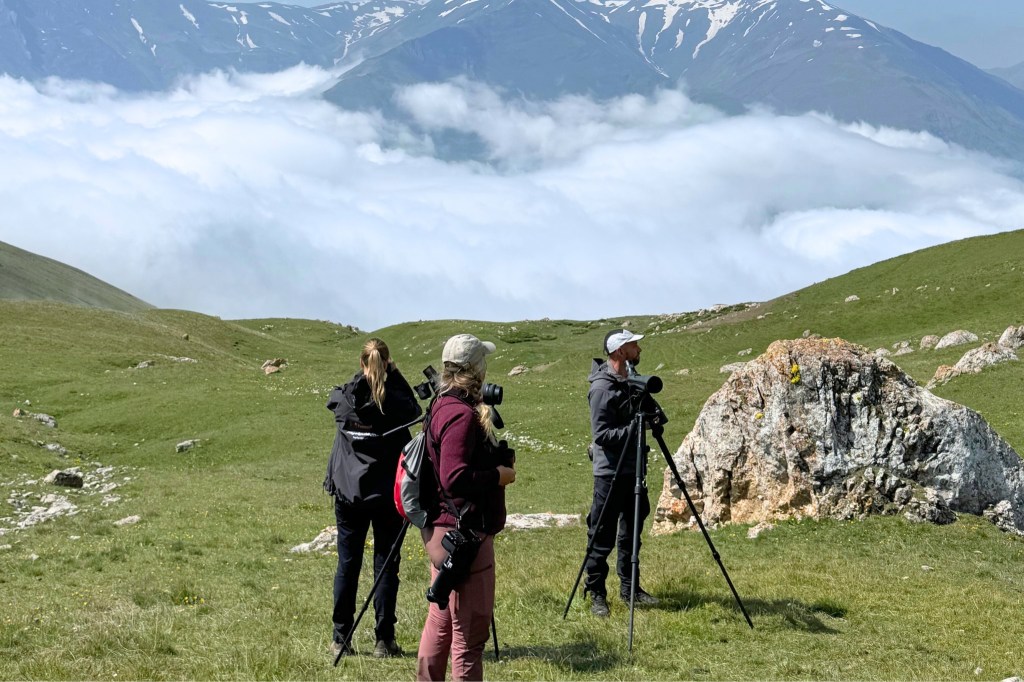
The majority of trips took place in spring (May-June), widely considered the best period for birding in Azerbaijan. During this time, migration peaks, breeding activity increases, and overall species diversity reaches its highest levels across the country’s varied habitats.
Autumn brought equally rewarding experiences, particularly in Shirvan National Park, where wetlands and steppe habitats served as important stopover areas for migrating birds. Alongside migrants, resident species remained active throughout the season, and encounters with gazelles, foxes, and reptiles added to the richness of time spent in the field.
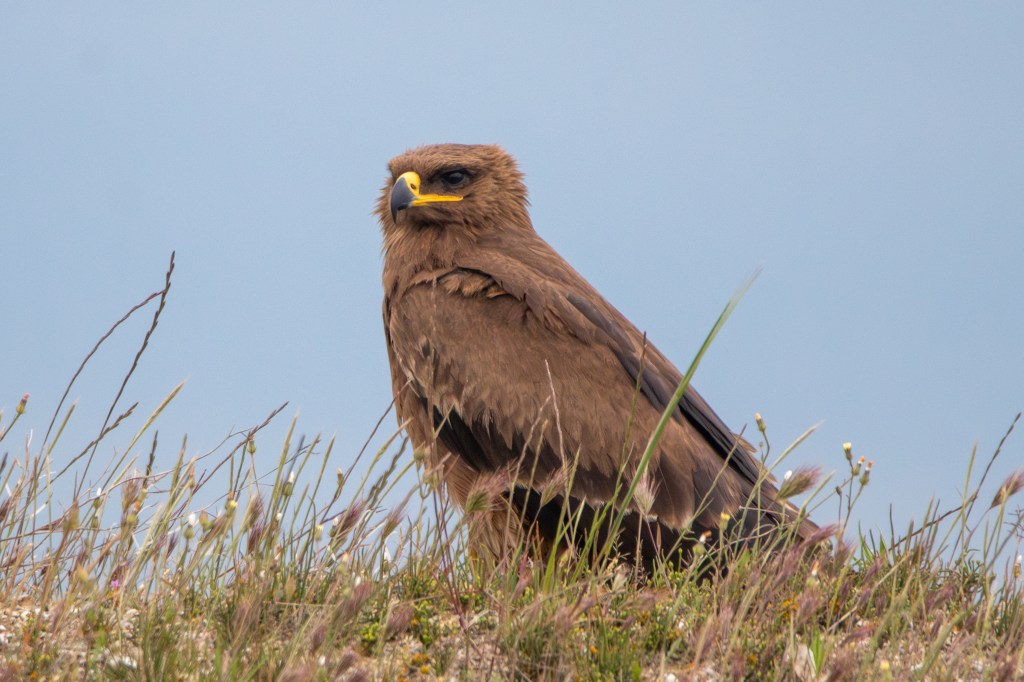
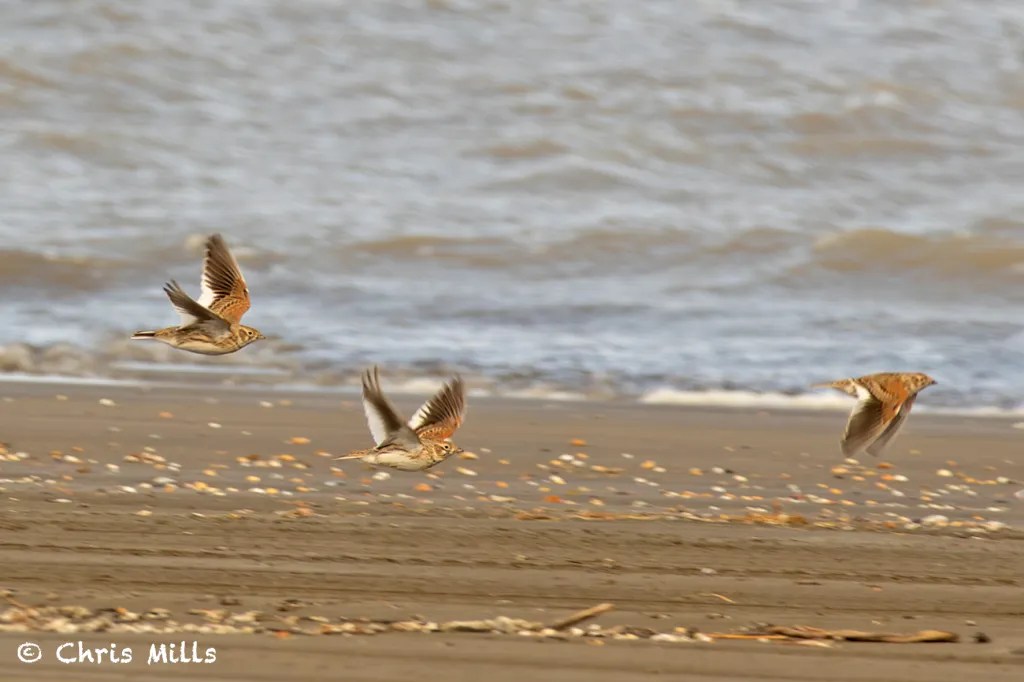
Migration counts at Beshbarmag stood out as a defining element of the year. Even without an official large-scale count, regular observation days produced impressive movements: flocks of cranes crossing both the Caspian Sea and the mountain ridges, dense streams of larks arriving from offshore, and the first Little Bustards of the season appearing early in the autumn. Several count days delivered exceptional records, including an estimated 17,500 migrating birds in a single day, alongside sightings of Common Scoter, Great Scaup, and large flocks of White-winged Larks moving along the coastline.
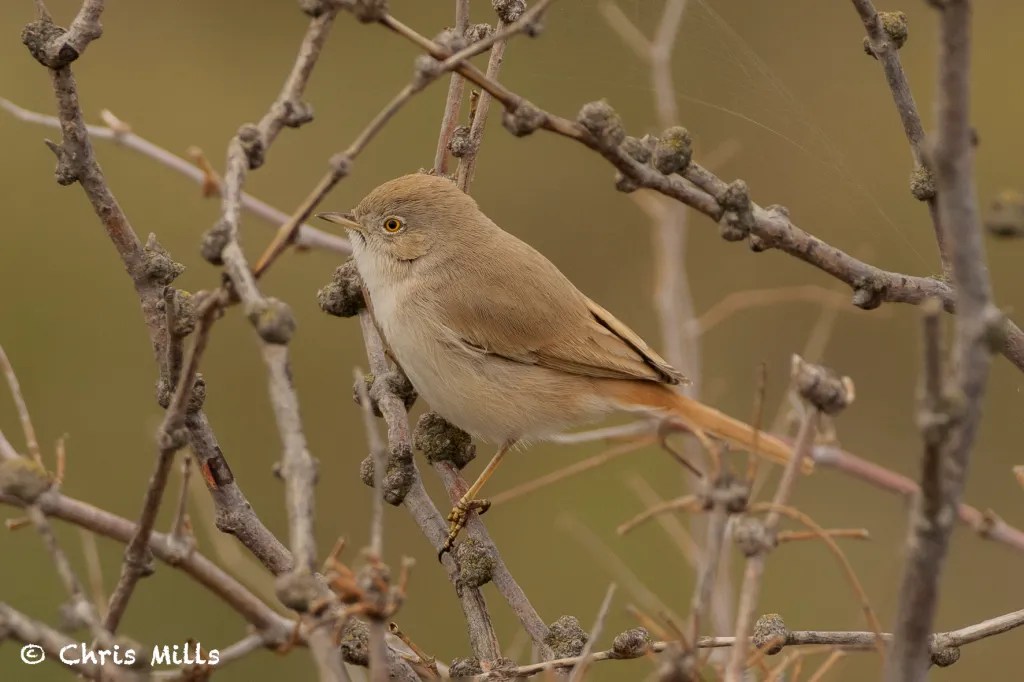
One particularly satisfying milestone was the confirmation of Asian Desert Warbler at Beshbarmag – a species long suspected to pass through the area but never formally recorded. After initial observations just south of the main site, one individual was finally observed directly at the counting station, officially adding the species to both the Azerbaijan national list and the Beshbarmag site list.
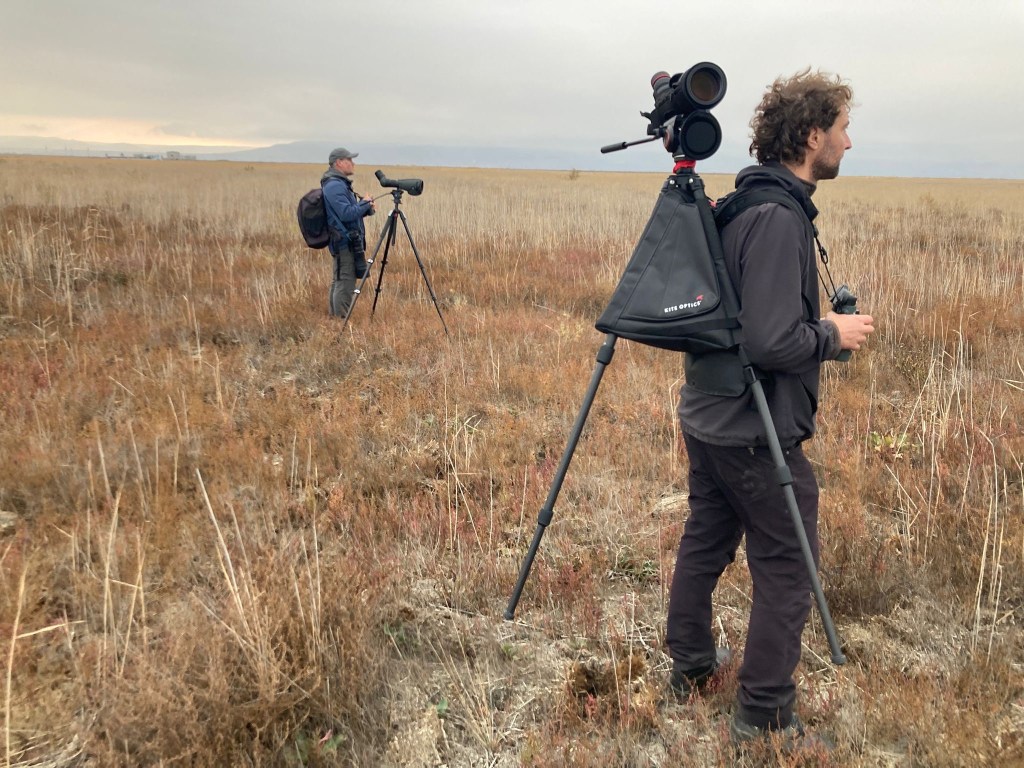
Throughout the year, we worked with birders visiting Azerbaijan from multiple countries, including both first-time visitors and returning guests. Local guiding, regional knowledge, and flexible itineraries remained central to our approach, allowing trips to adapt to weather conditions, migration timing, and individual interests. While statistics help summarize a year, they do not capture the full picture. What defines 2025 most clearly are the shared experiences, time spent observing birds in their natural environments, and the ongoing contribution to understanding migration through the Caucasus and Caspian regions.
We are grateful to everyone who joined us in the field during 2025 and look forward to continuing this work in the upcoming seasons in 2026.
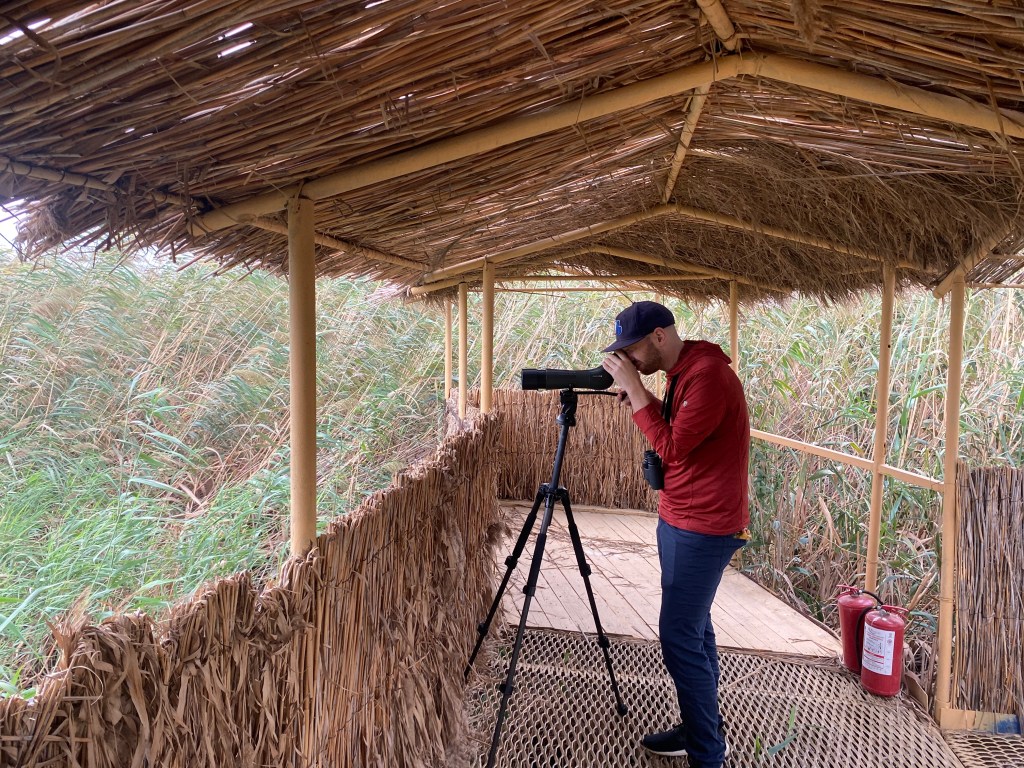
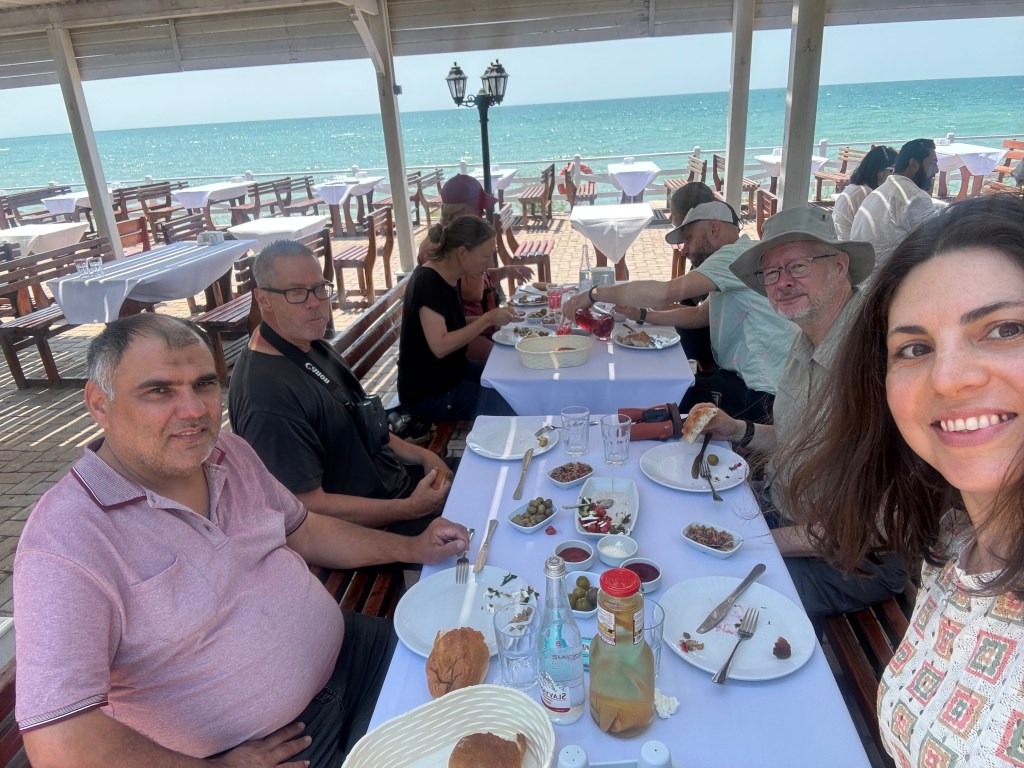
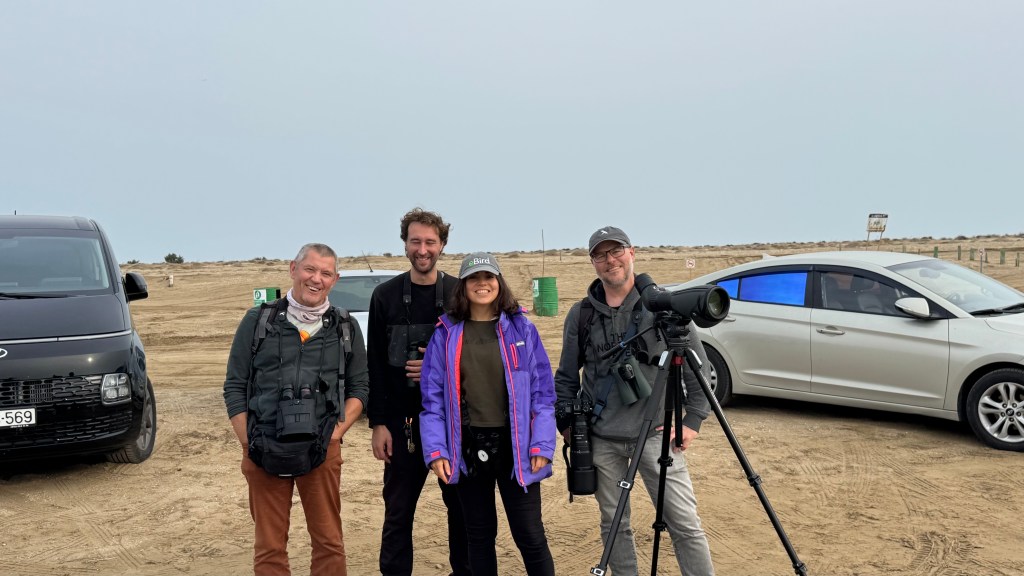
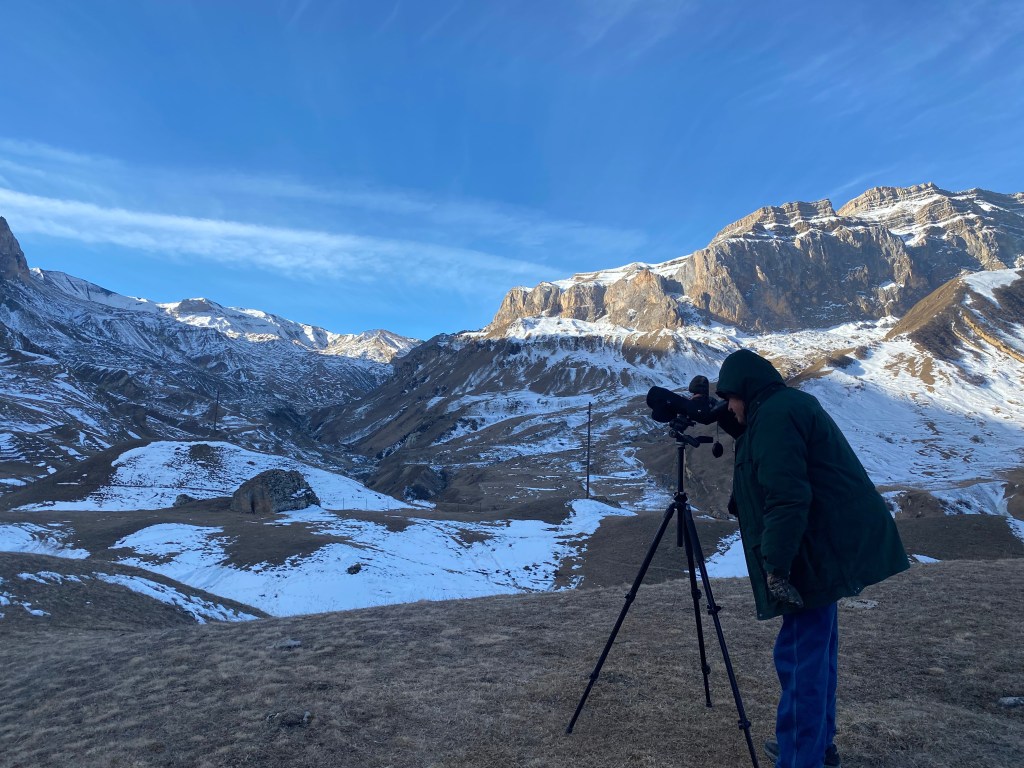
Below, we share more photos capturing moments from the 2025 trips:

 Birding Azerbaijan