
© Oscar Campbell and Chris Mills

We’ve just returned from a week at Besh Barmag, basing ourselves in Siyezen town and heading up to the famous watchpoint every day. As always, it was a fantastic experience. We logged a tonne of birds and had some great moments even though the overall pace was actually rather slow by Besh standards this year! We also made four visits to Cape Gilazi, just a short drive to the south, which once again proved to be a superb spot rich with birds.
A summary of our sightings can be found in our eBird trip report: www.ebird.org/tripreport/428743.
A more detailed trip report will follow in due course.
The weather throughout the week was cool with high cloud, and winds were very light (sometimes completely still), mostly from the north-east. This meant many birds were migrating high, which made for challenging but also very instructive birding at times. For example: how exactly do you separate Reed Bunting from Chaffinch from 100 metres below and where does Meadow Pipit fit in? We got plenty of practice!
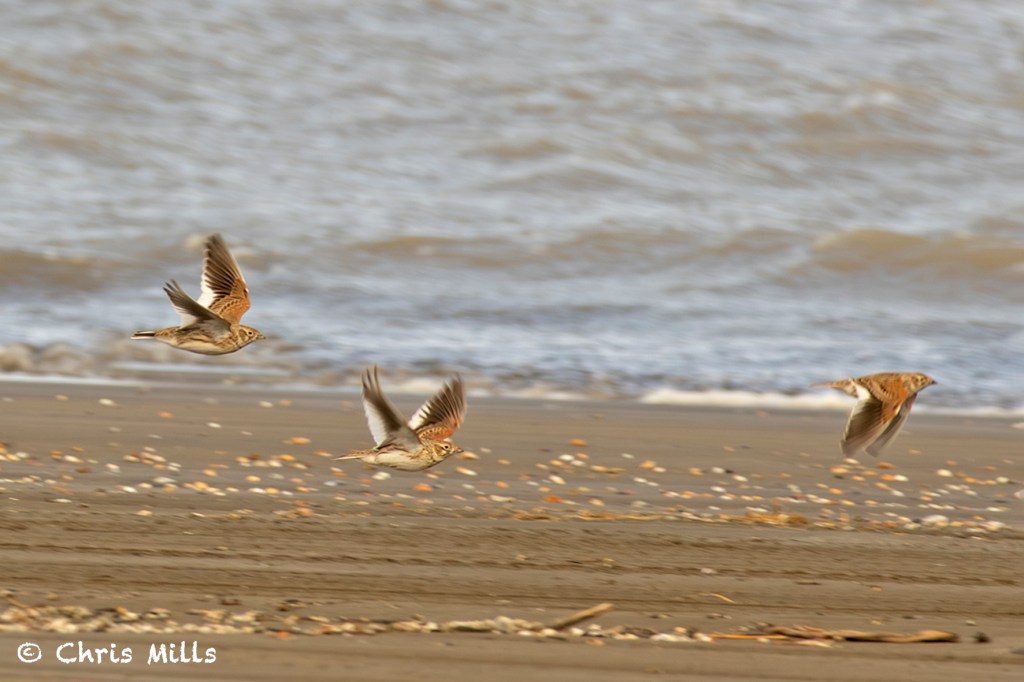
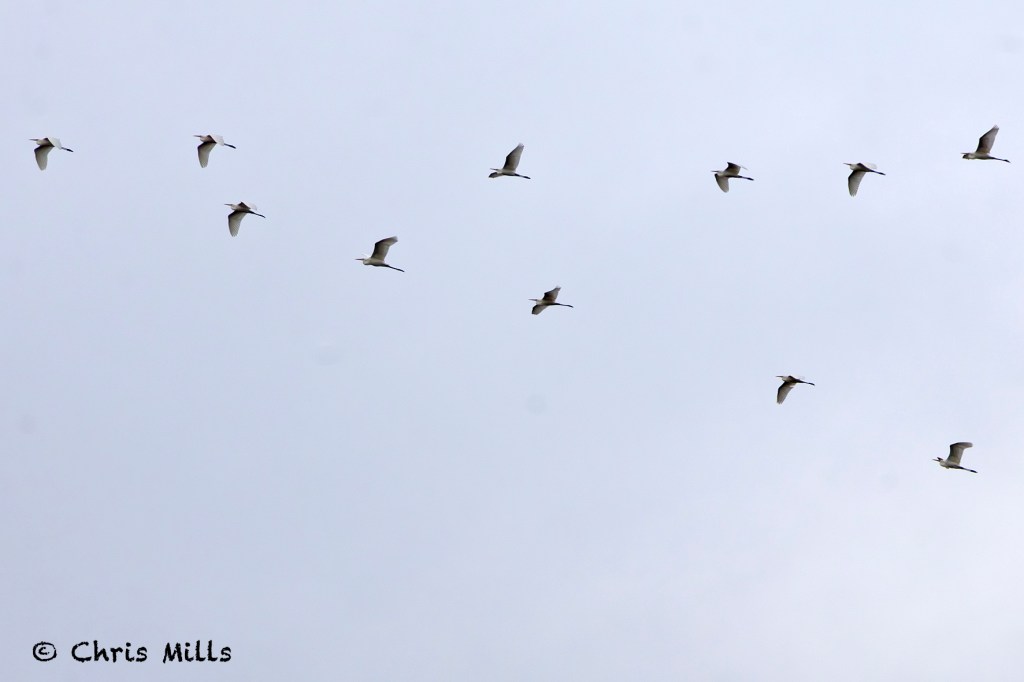
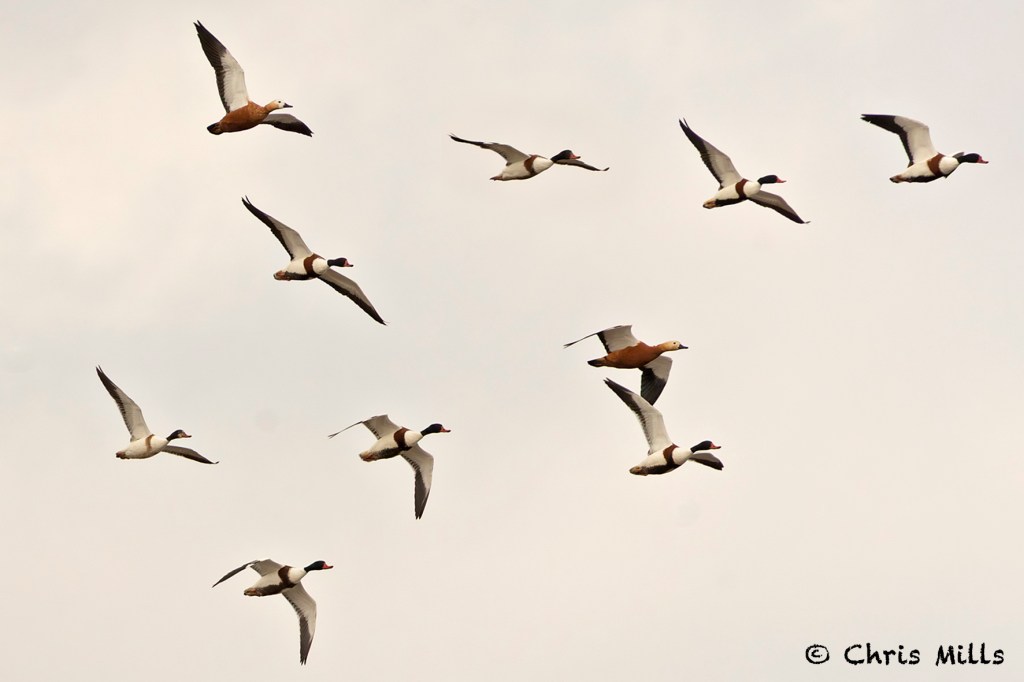
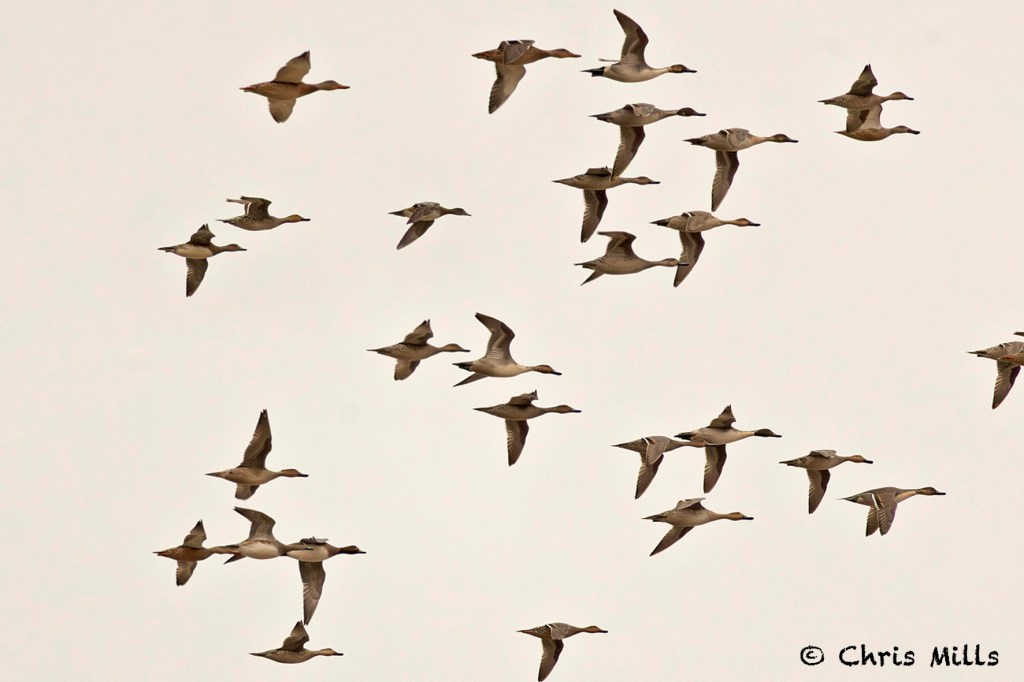
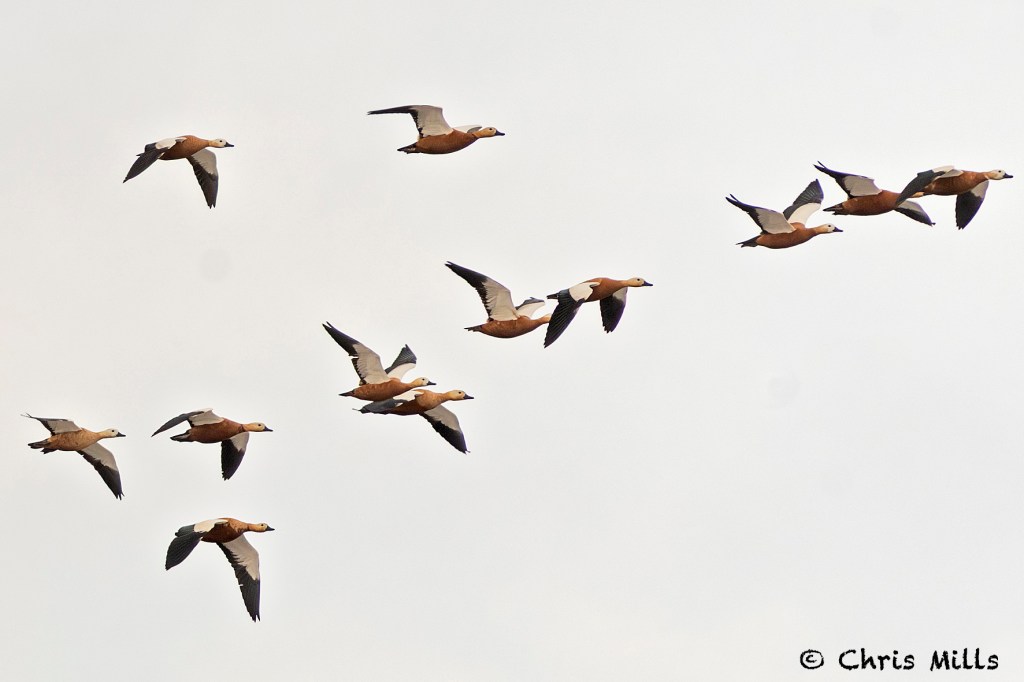
On 5 November everything changed when a strong, cold south-easterly blew in overnight and continued all day. This produced the most remarkable migration of the week: over 15,000 waterfowl of 18 species battling south, with many birds skimming low over the waves. On the same day, we recorded 100 White-winged Larks, contributing to a total of 189 recorded across six dates, clearly a good season for this species at Besh.
Other highlights included:
- Around 7,000 larks passing on 4 November, mostly within the space of just two hours (!)
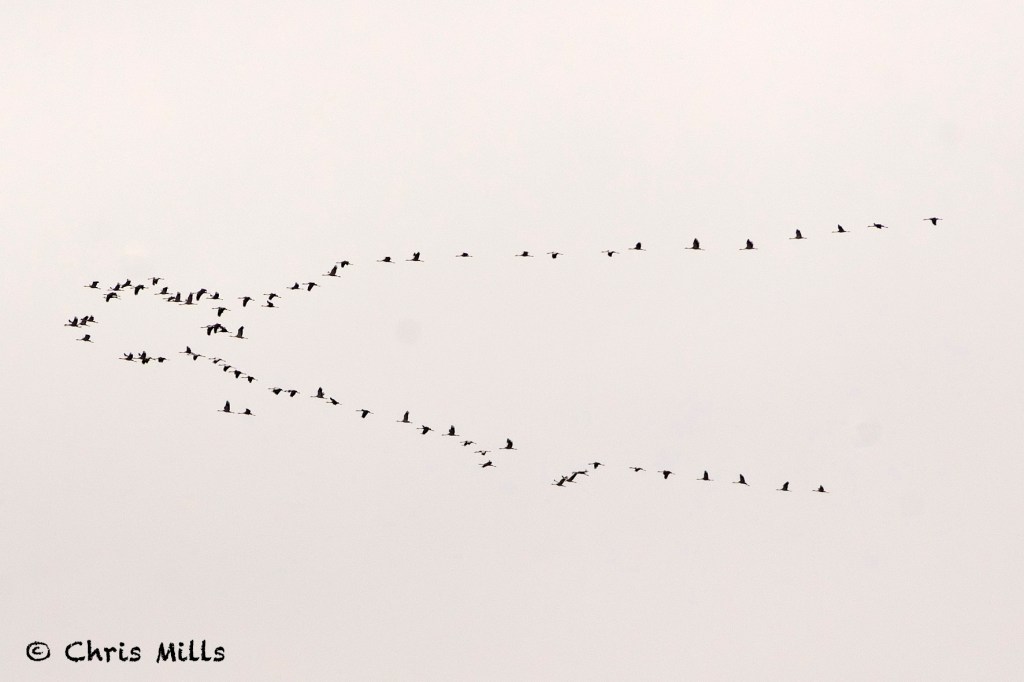
- A good early-week passage of Common Cranes
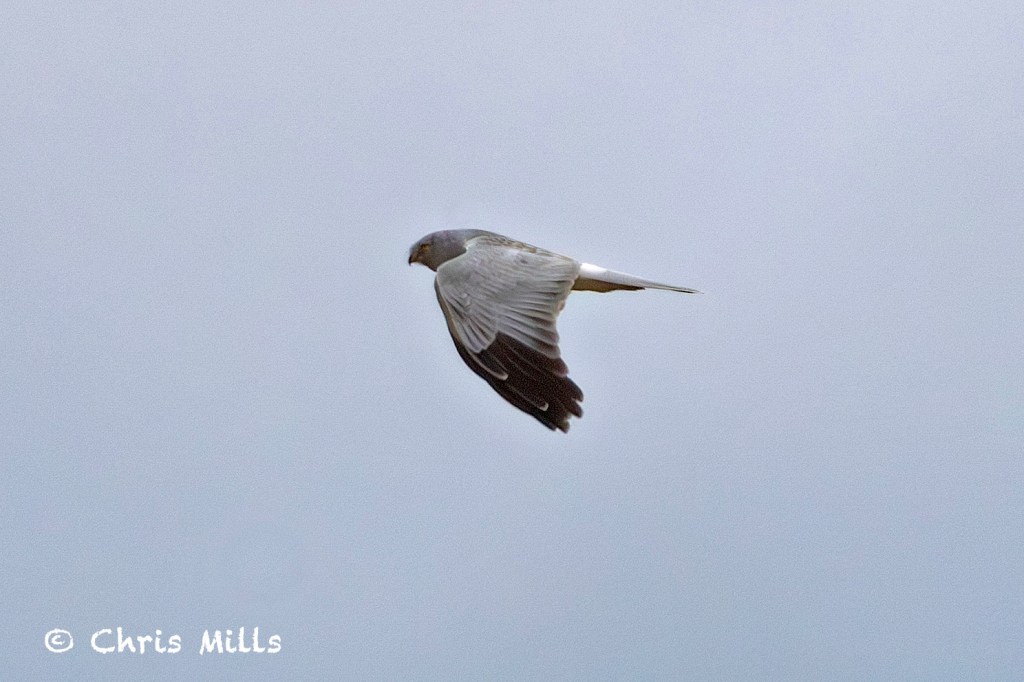
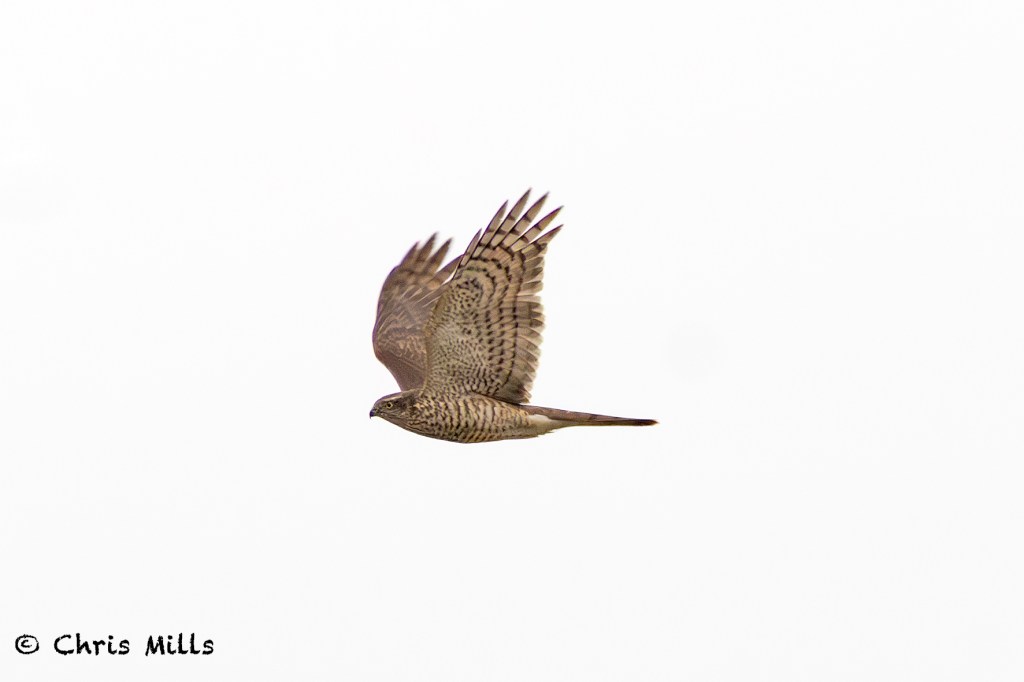
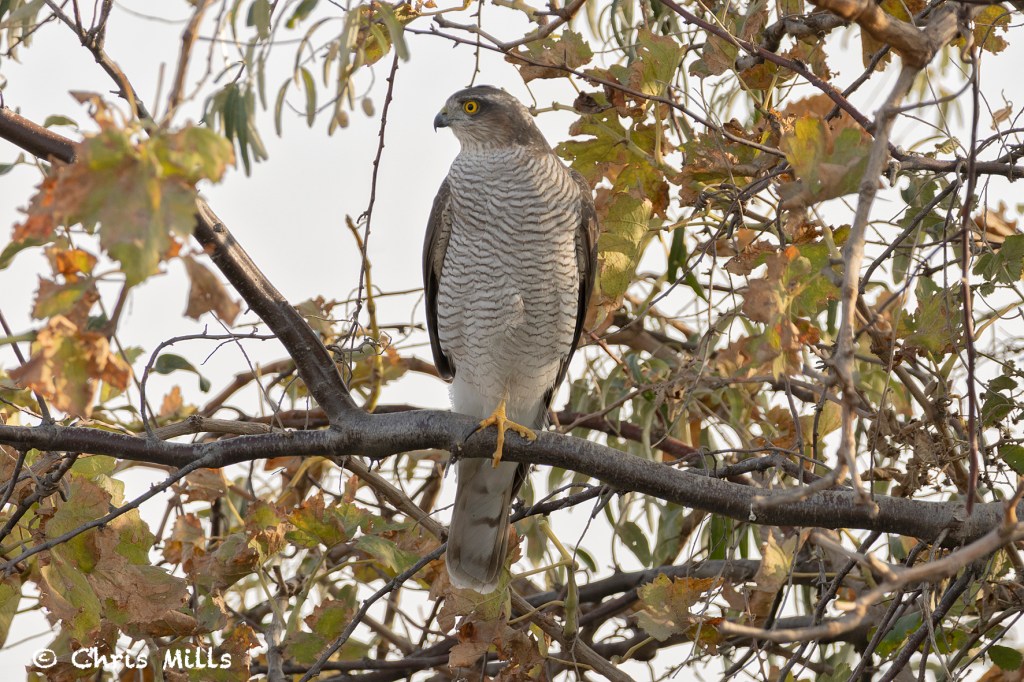
- 300+ Eurasian Sparrowhawks and nearly 250 Harriers (Marsh and Hen)
- Up to 760 Common Reed Buntings migrating in a single day
- Pygmy Cormorants and Dalmatian Pelicans beginning to move later in the week
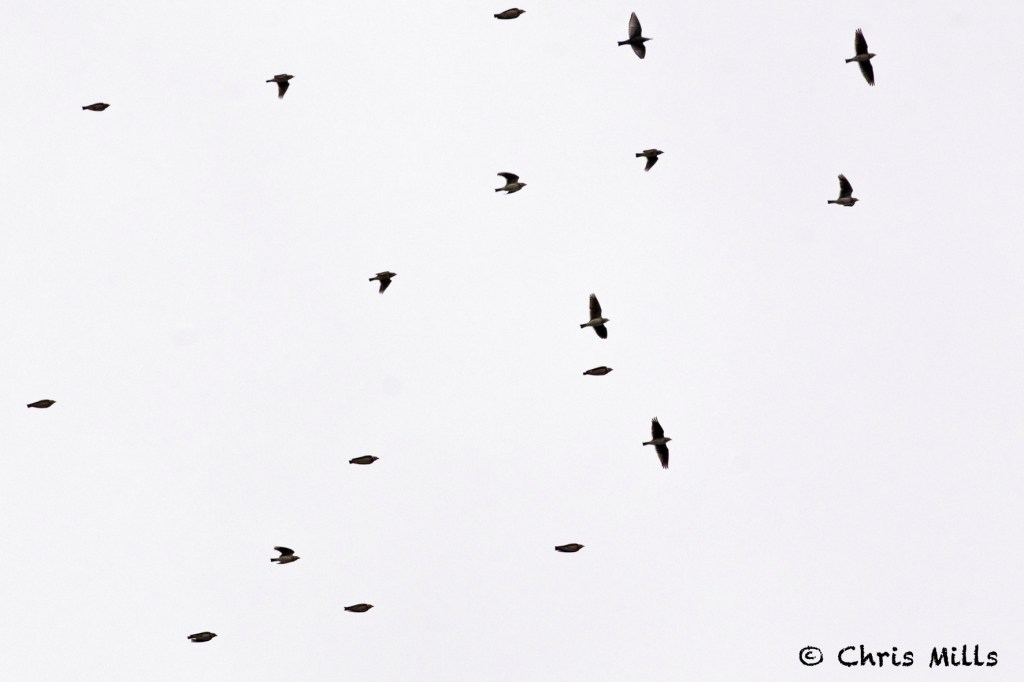
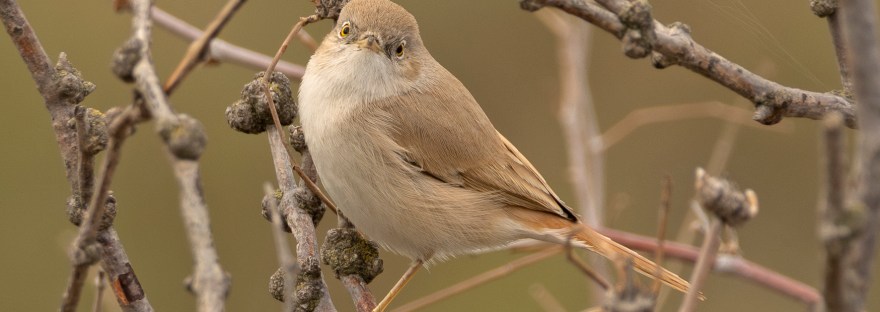
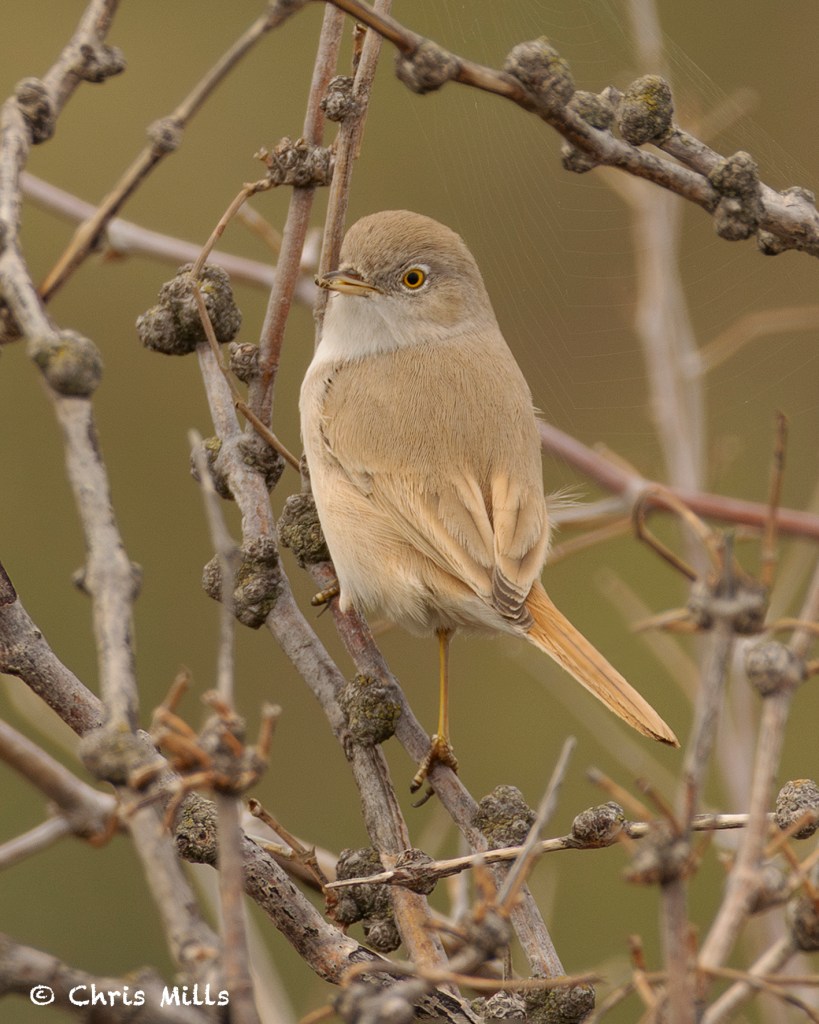
Little Bustards were still in low numbers (only 29 during our stay), so the sudden appearance of an Asian Desert Warbler right beside the count station as yet another flock of White-winged Larks passed was a real thrill.

We ended up finding three more Desert Warblers during the week, all at Cape Gilazi. We were especially pleased to share the last one with Zulfu, as this species had not been recorded in Azerbaijan for many years. Four individuals in one week certainly suggests a real influx, so if Desert Warblers start turning up in Northwest Europe this month, remember where you heard it first!

Finally, a huge thank you to the Birding Azerbaijan team (especially Zulfu, Leyla, and Elvin) for sorting accommodation, offering invaluable advice, and joining us in the field over the weekends. Couldn’t have done it without you!
More photos:





 Birding Azerbaijan